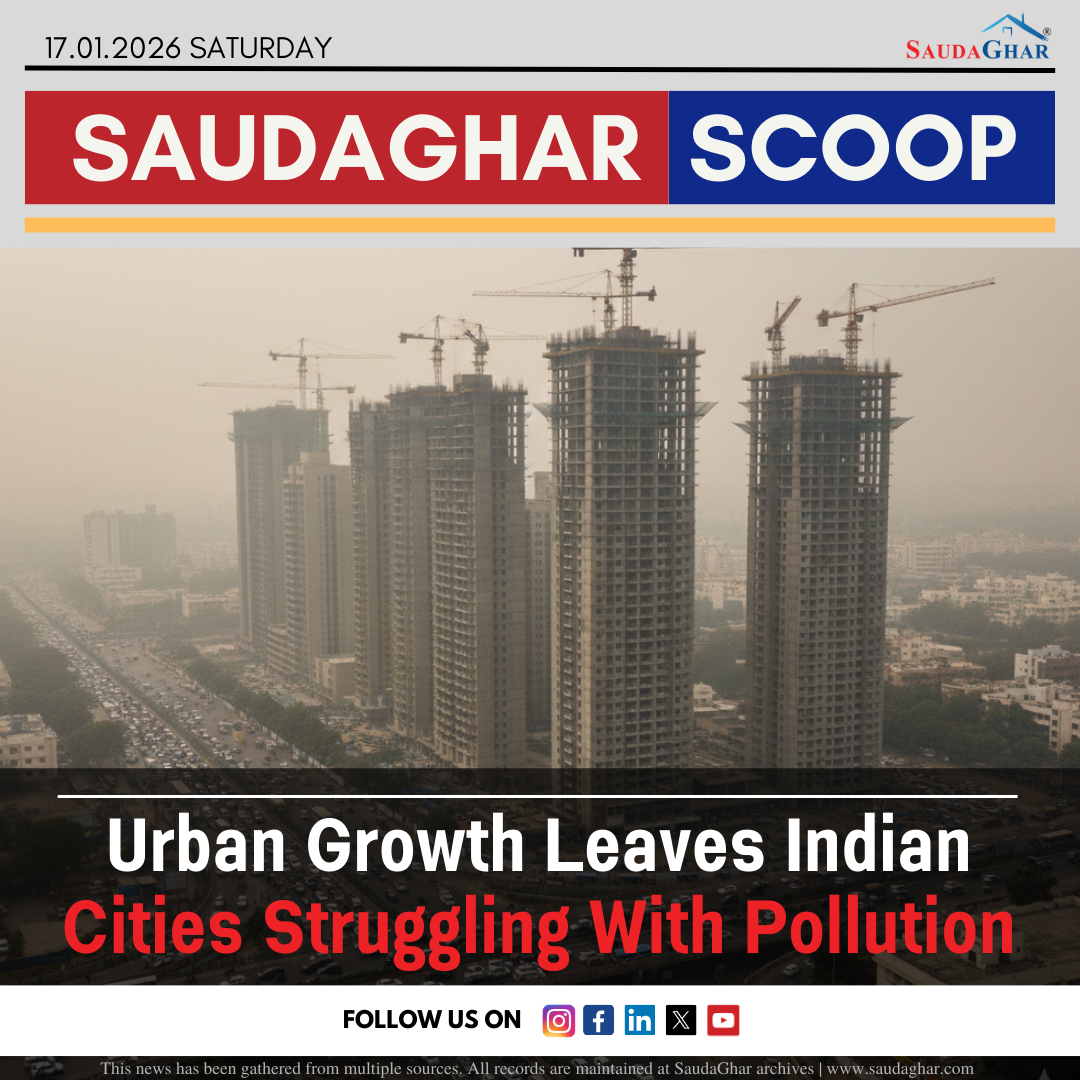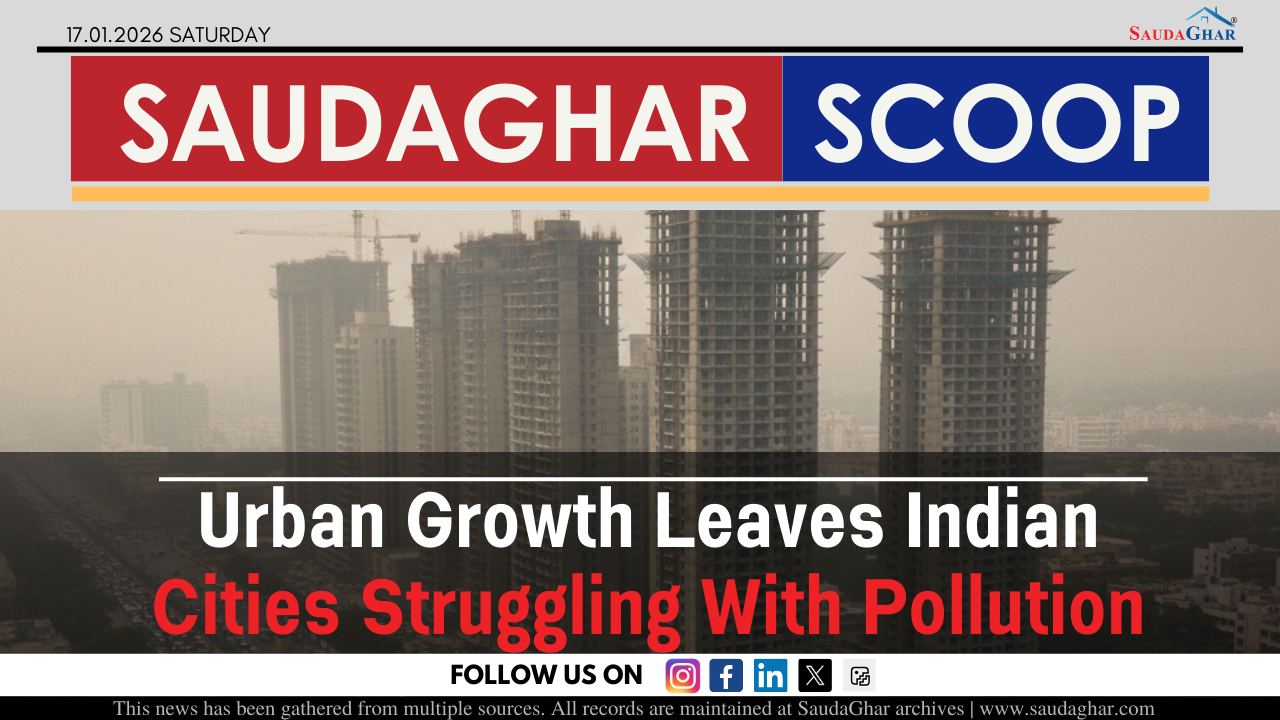
Urban Growth Leaves Indian Cities Struggling With Pollution
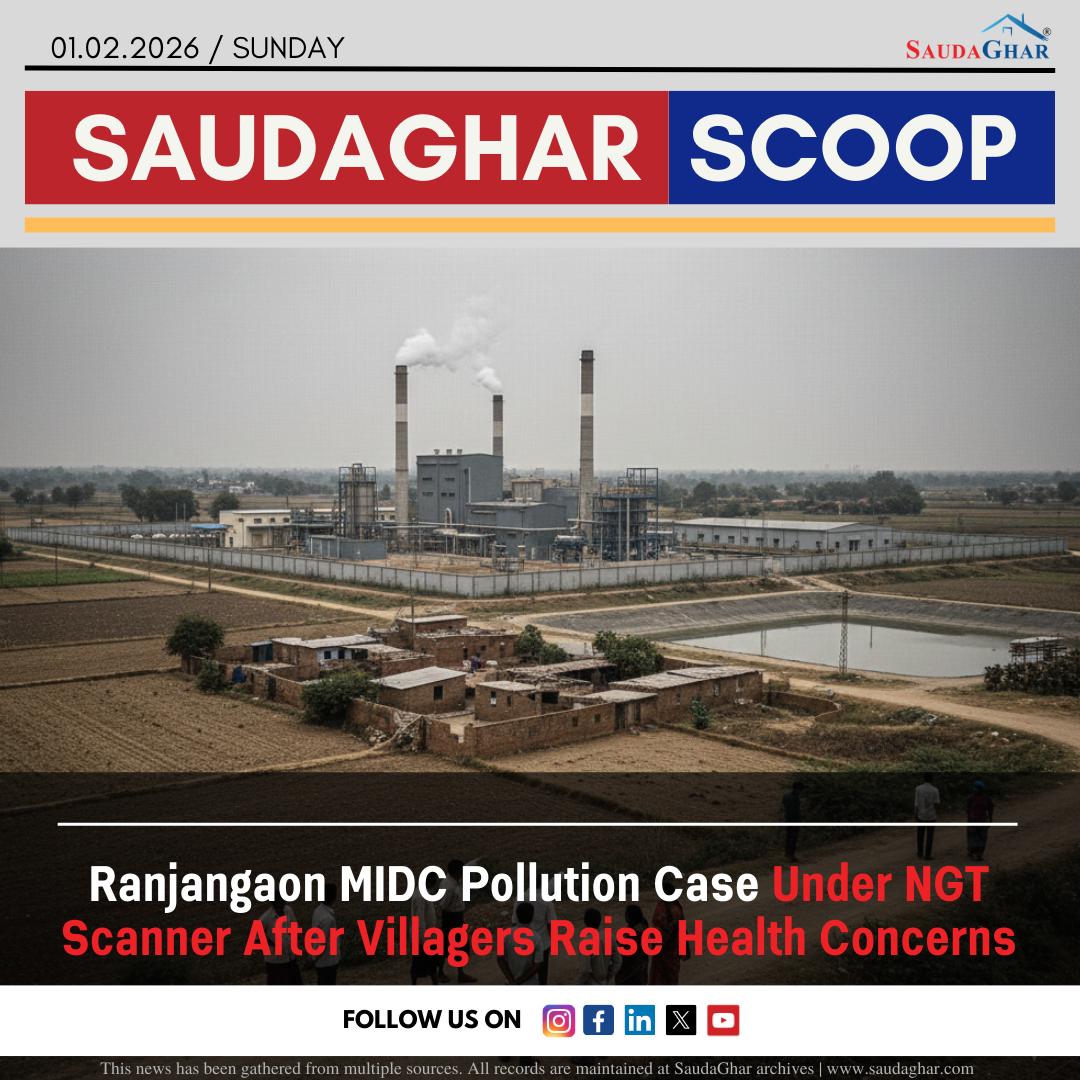
Over the past decade, China has achieved a sharp reduction in urban PM2.5 pollution through sustained regulation and coordinated enforcement, while India’s average air pollution levels have shown little overall change. The contrast in PM2.5 data highlights how consistent policy action can deliver measurable air quality improvement, whereas uneven regulation combined with rapid urban expansion continues to slow progress across Indian cities.
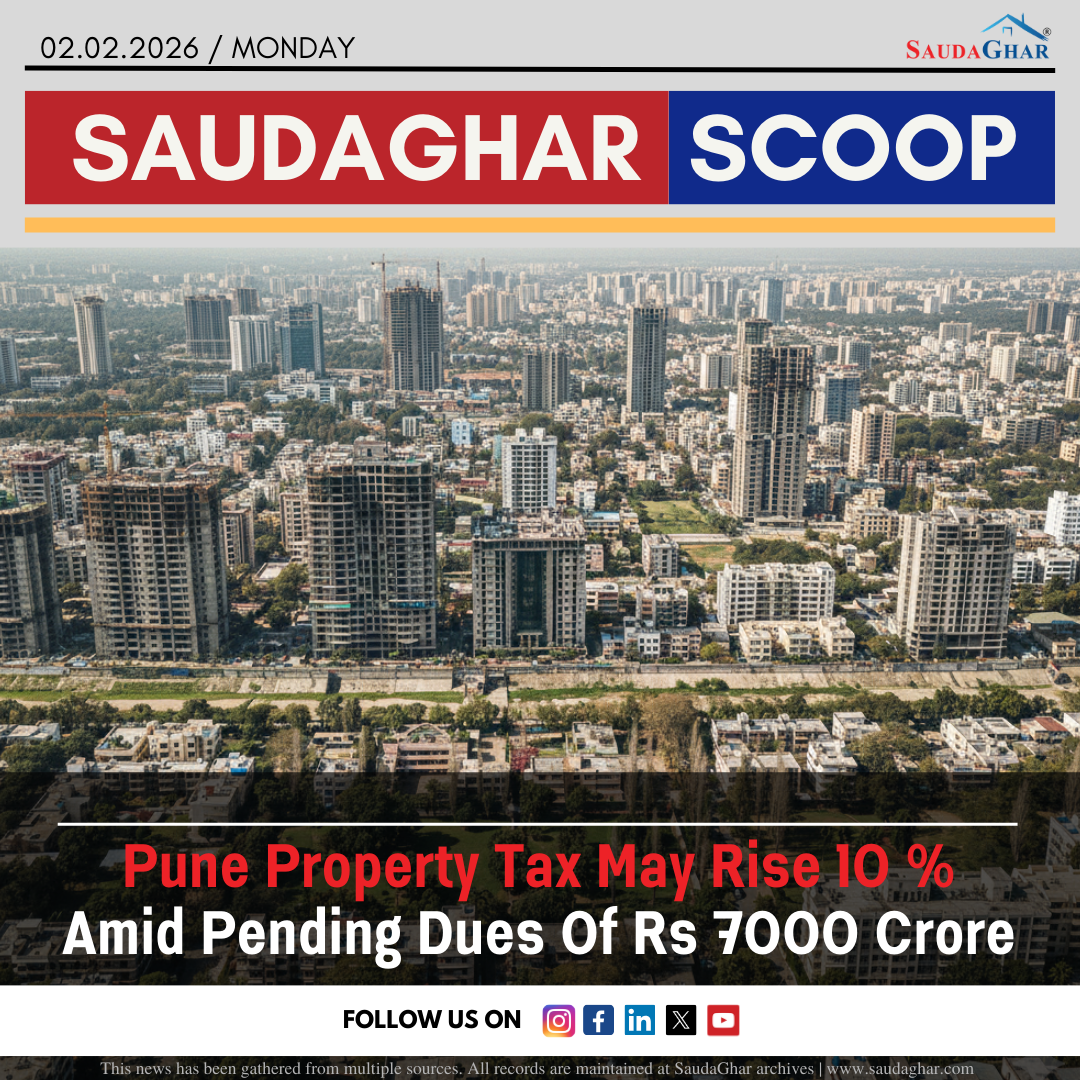
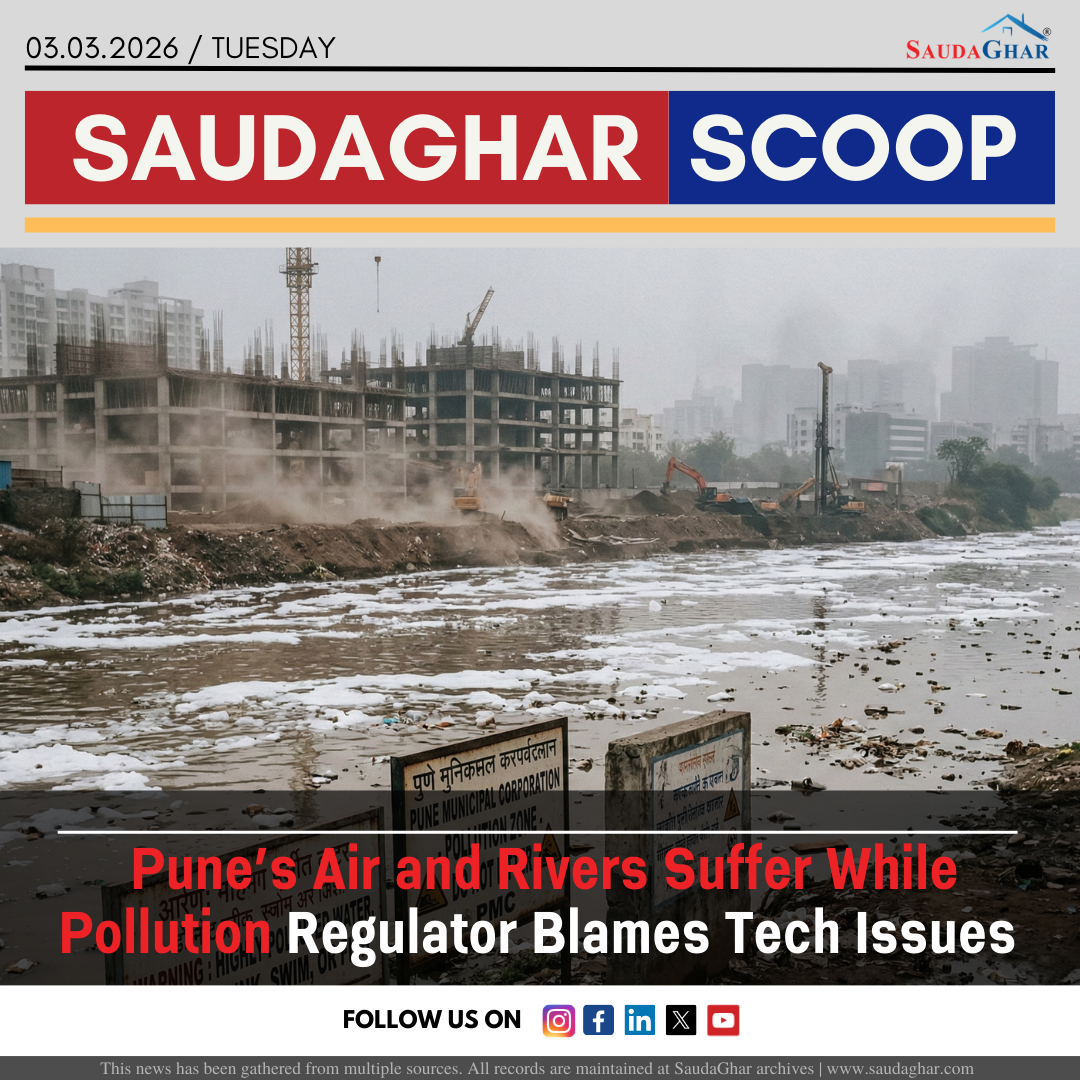
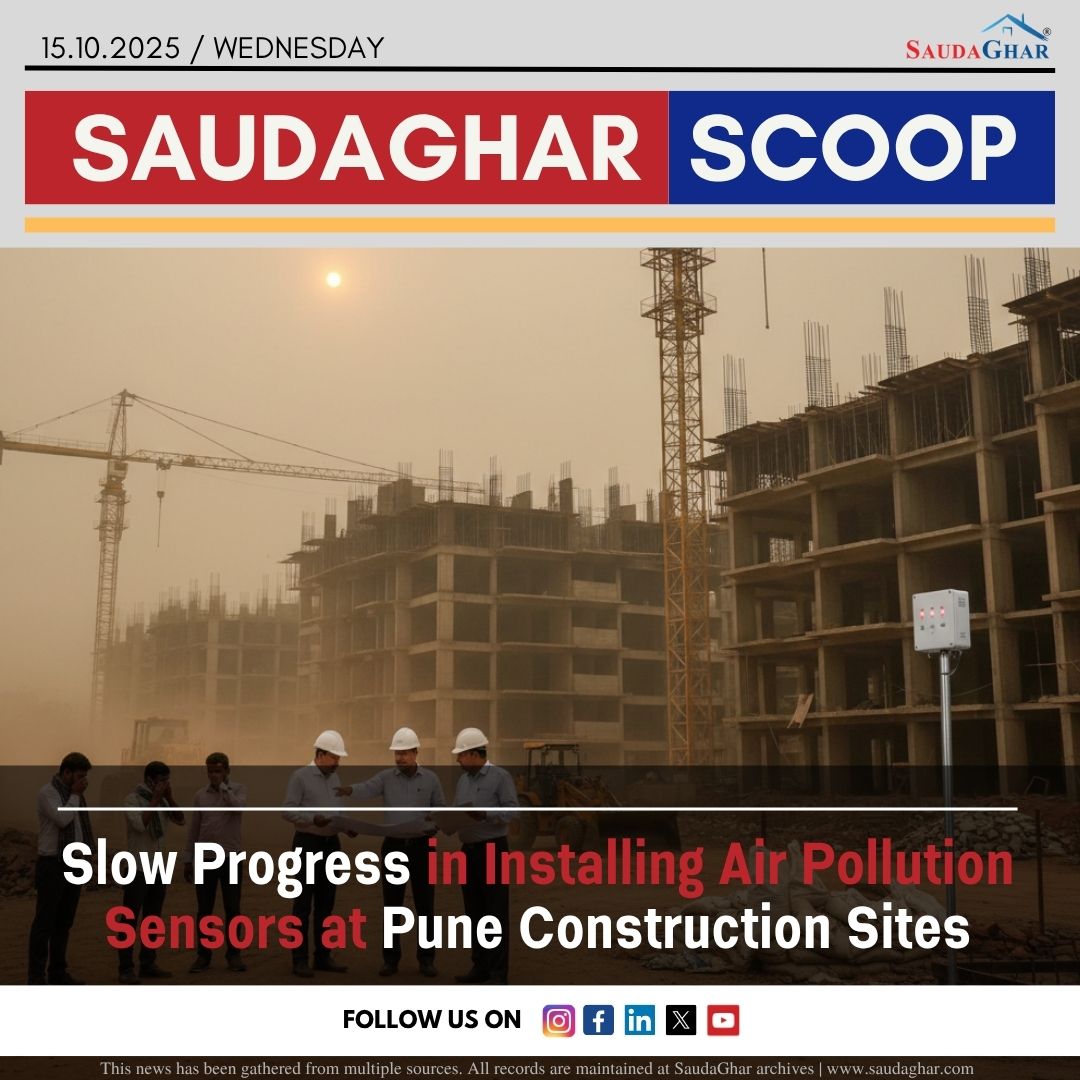
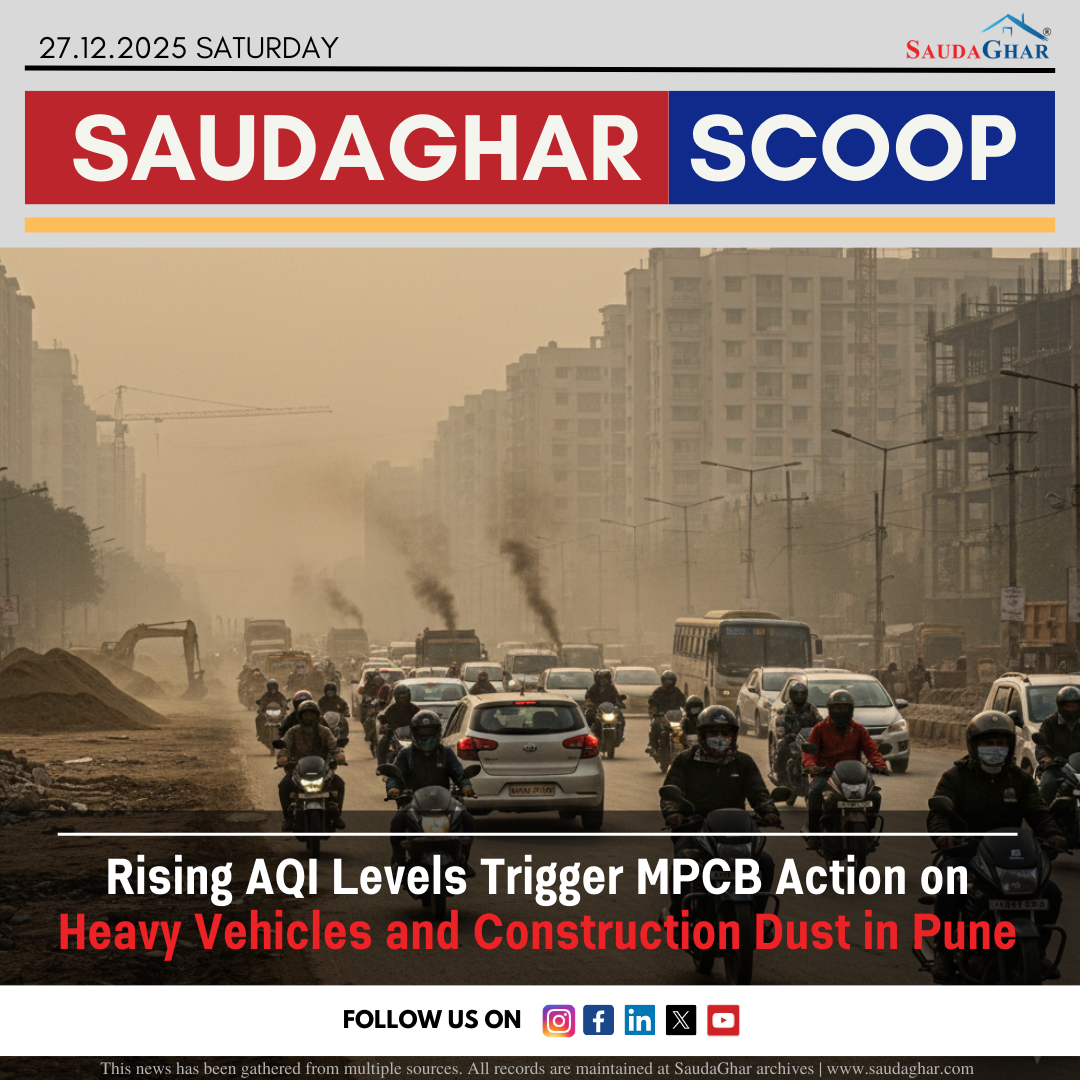
Within India, air pollution trends vary widely, with Delhi recording the most visible improvement since 2011 despite remaining among the world’s most polluted cities. In contrast, pollution levels in cities such as Pune and Surat have worsened, driven by fast paced urbanisation, construction activity, and growing vehicle density, placing them among the weaker performers in national air quality outcomes.
Similar News

















































































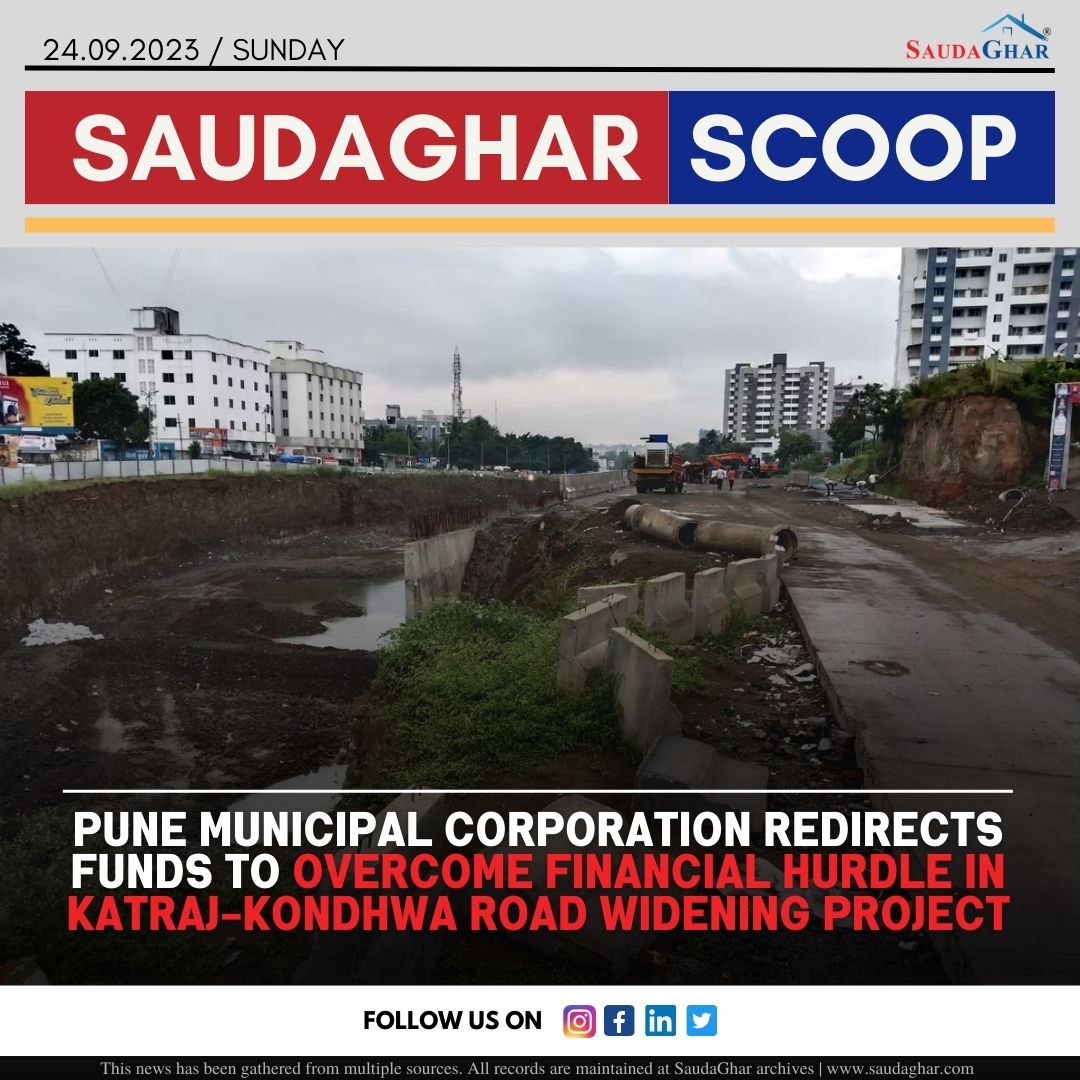


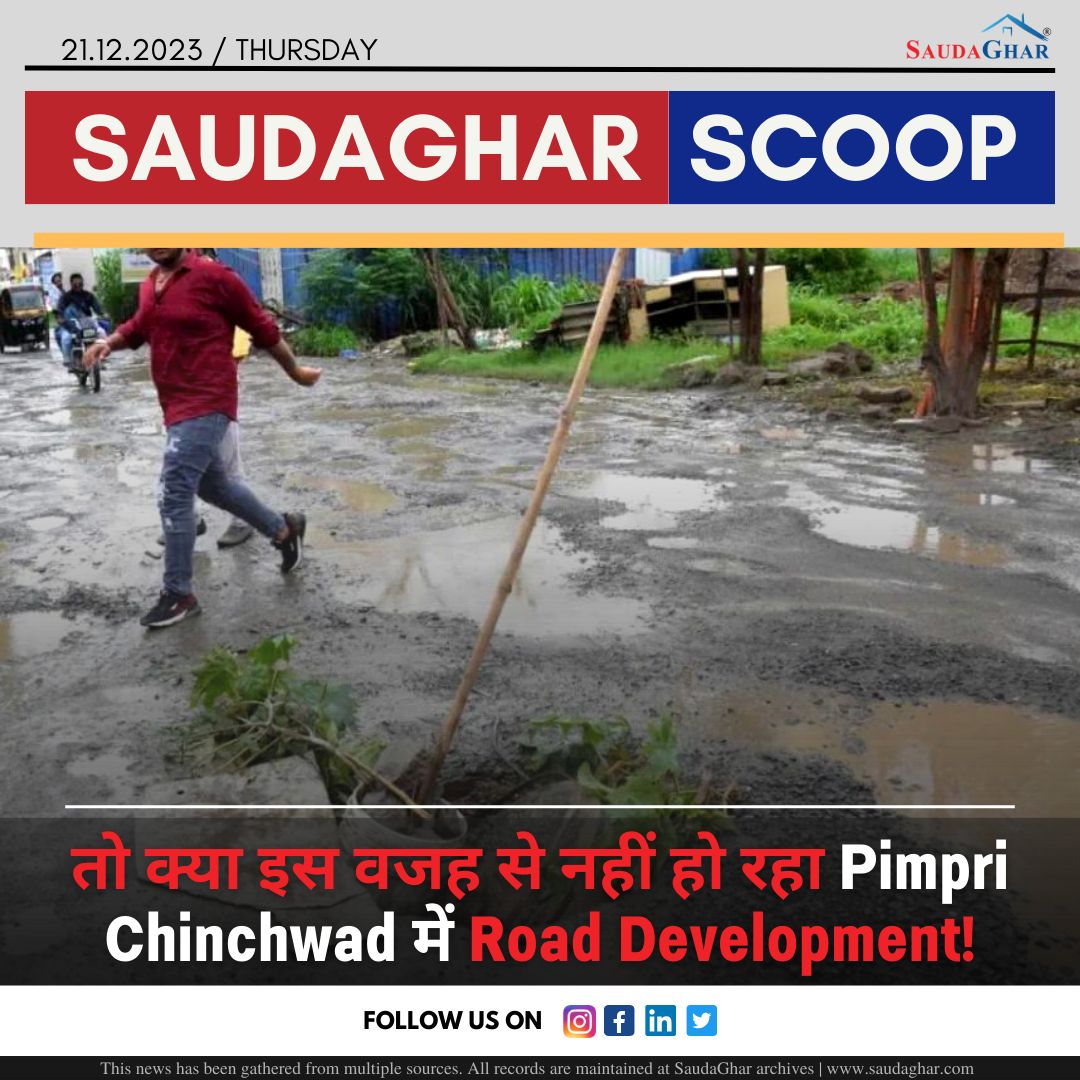
Monsoon Deluge Exposes PMC Road Repair Failures
28 Sep 2023





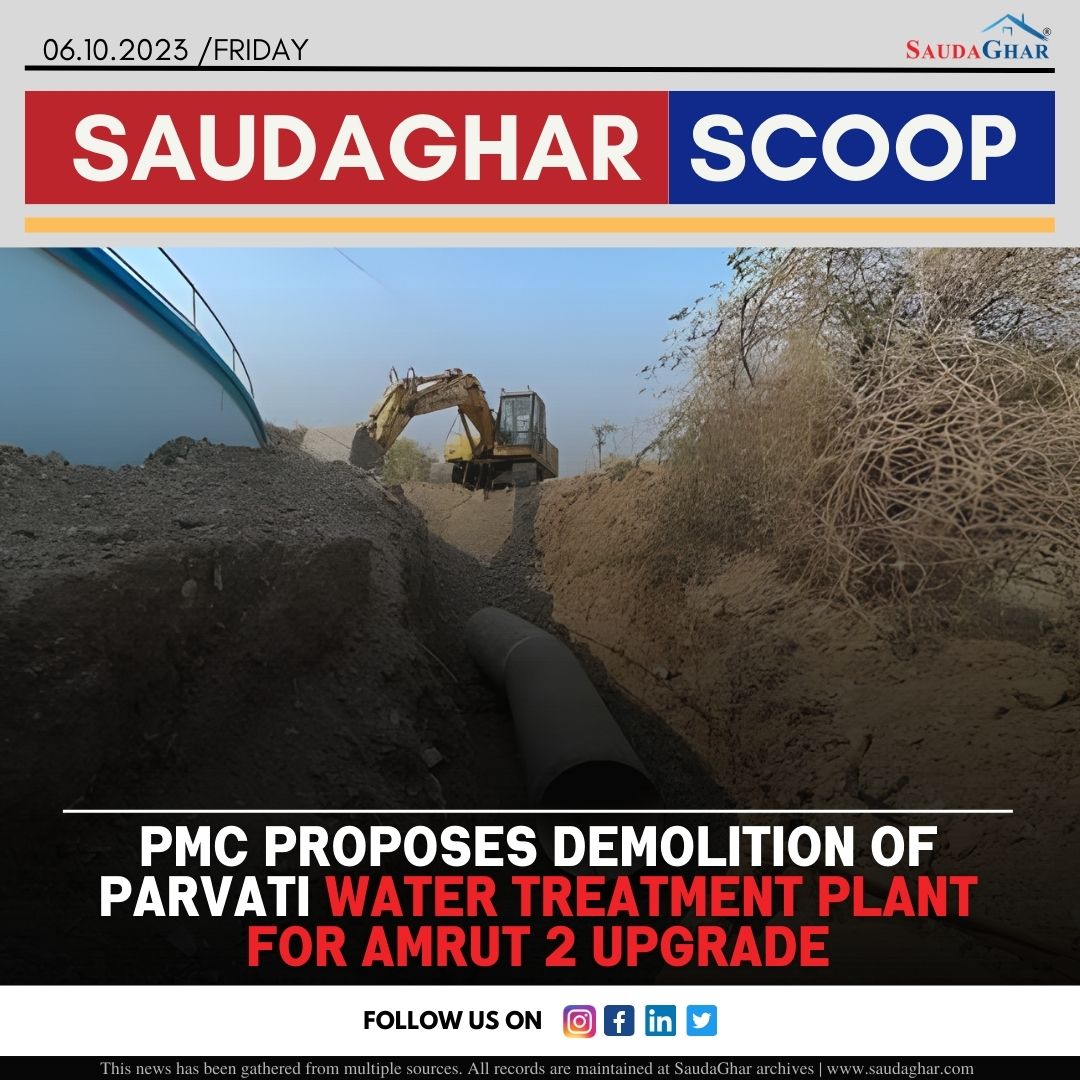





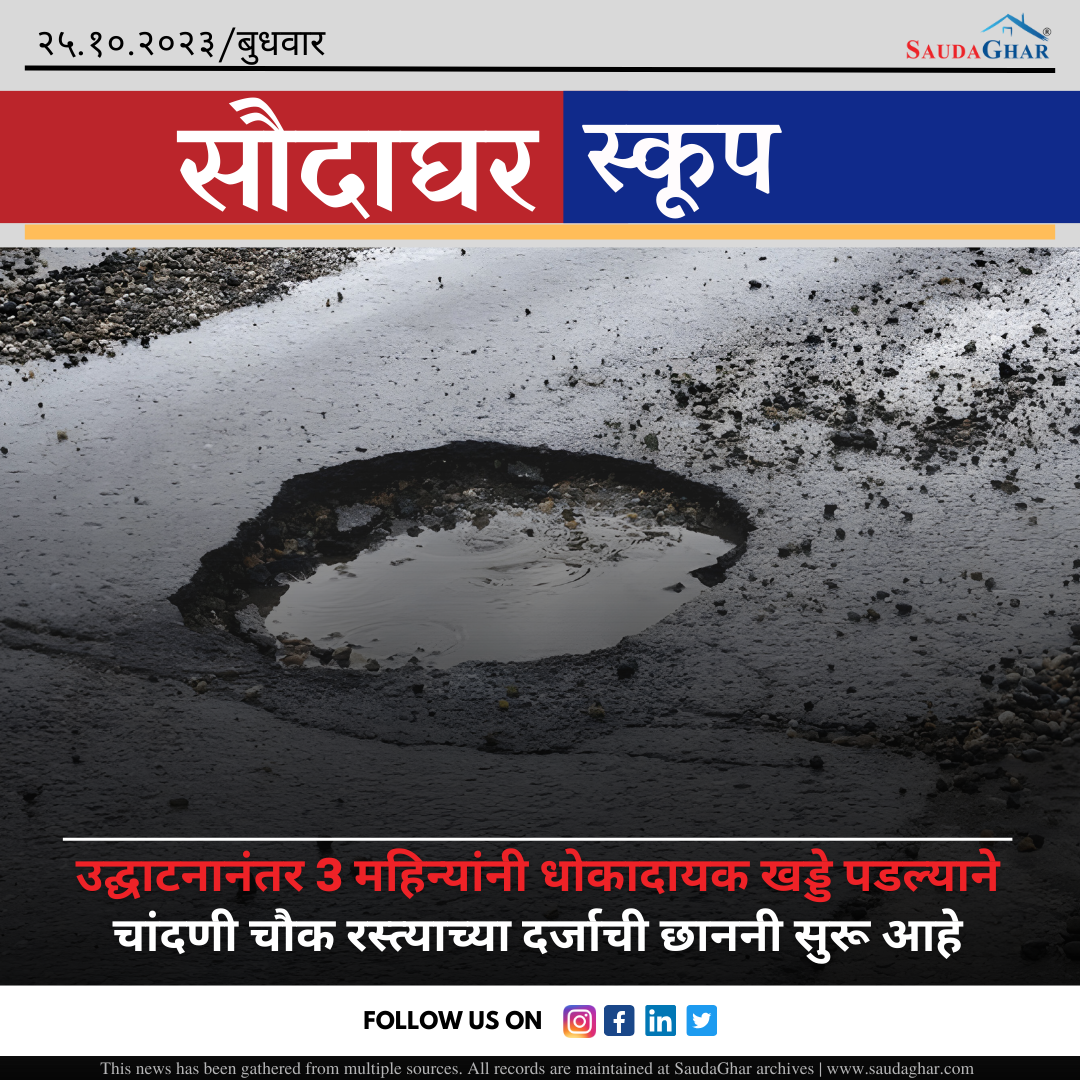

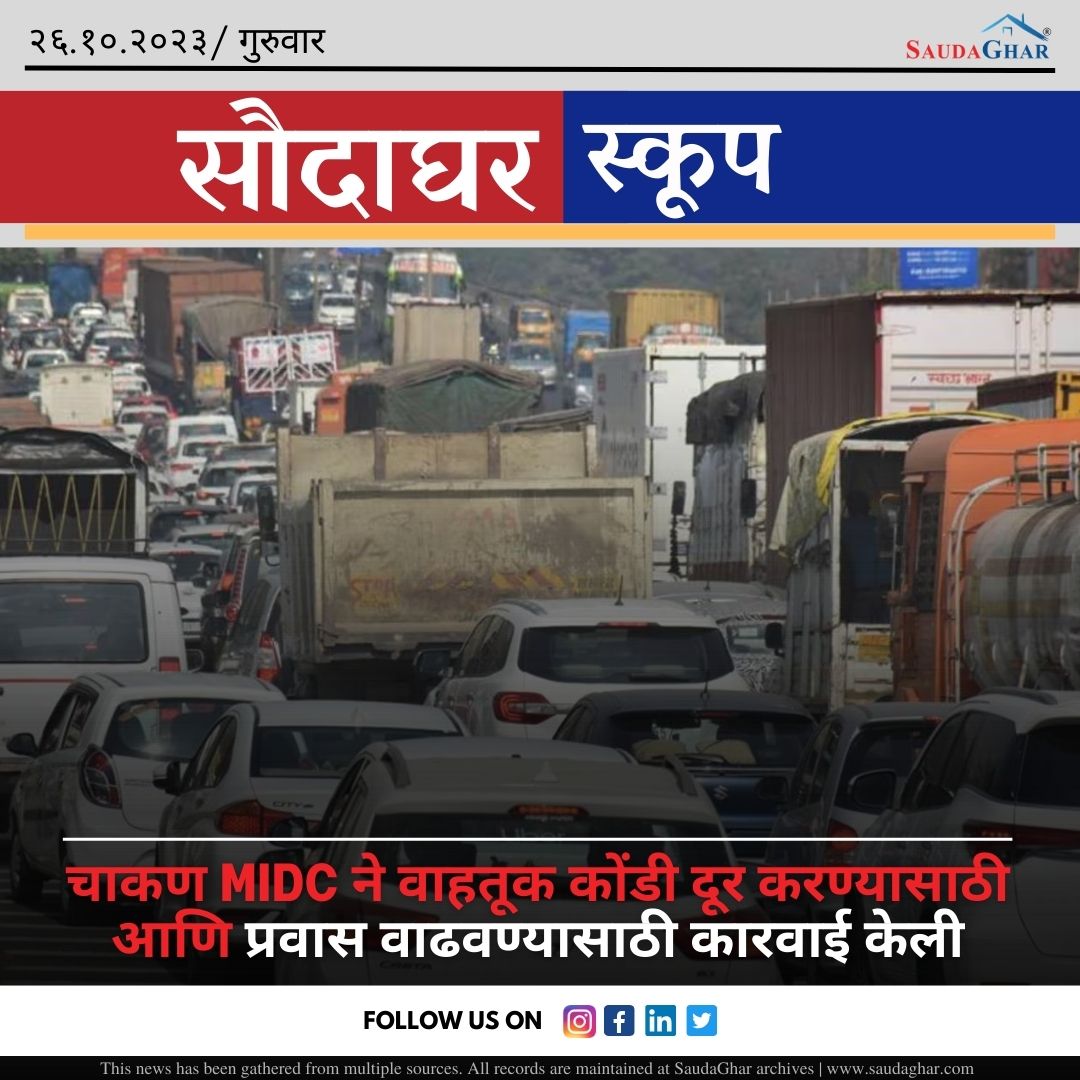
























Amnesty Scheme to Reduce Stamp Duty Deficit
02 Dec 2023



Historic Bhide Wada Set for Redevelopment by PMC
06 Dec 2023





PMC Approved Bus Bay on Nagar Road
12 Dec 2023























PMC Phased Approach to Repair 40 Aging Bridges
08 Jan 2024





















Long Weekend से Pune-Satara Highway पर लगा लंबा!
27 Jan 2024
















आखिर कब Open होगा Pune Airport का New Terminal?
06 Feb 2024

Pune Areas to Experience Water Shortage Tomorrow
07 Feb 2024



PMC demolishes 29 Hilltop Properties
09 Feb 2024












































PMC under scrutiny for repeated budget inflation
03 Apr 2024




Pune Battle Against Rising Garbage-Related Fires
08 Apr 2024






IMD Warns Dry Conditions Challenge 125 Districts
19 Apr 2024






Residents Sweat Through Frequent Power Outages
28 Apr 2024








































BSI to Open New Botanical Garden in Mundhwa
27 Aug 2024

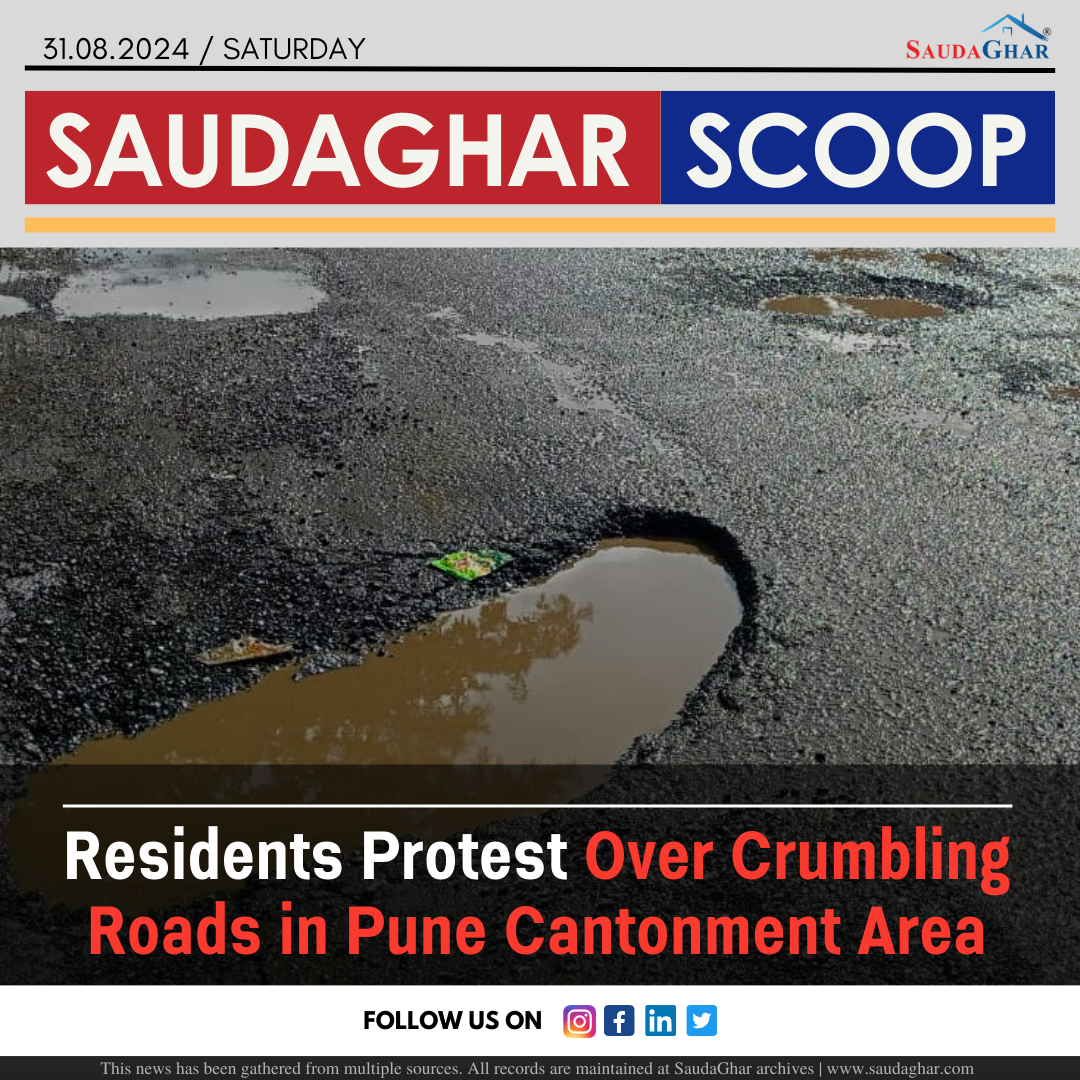




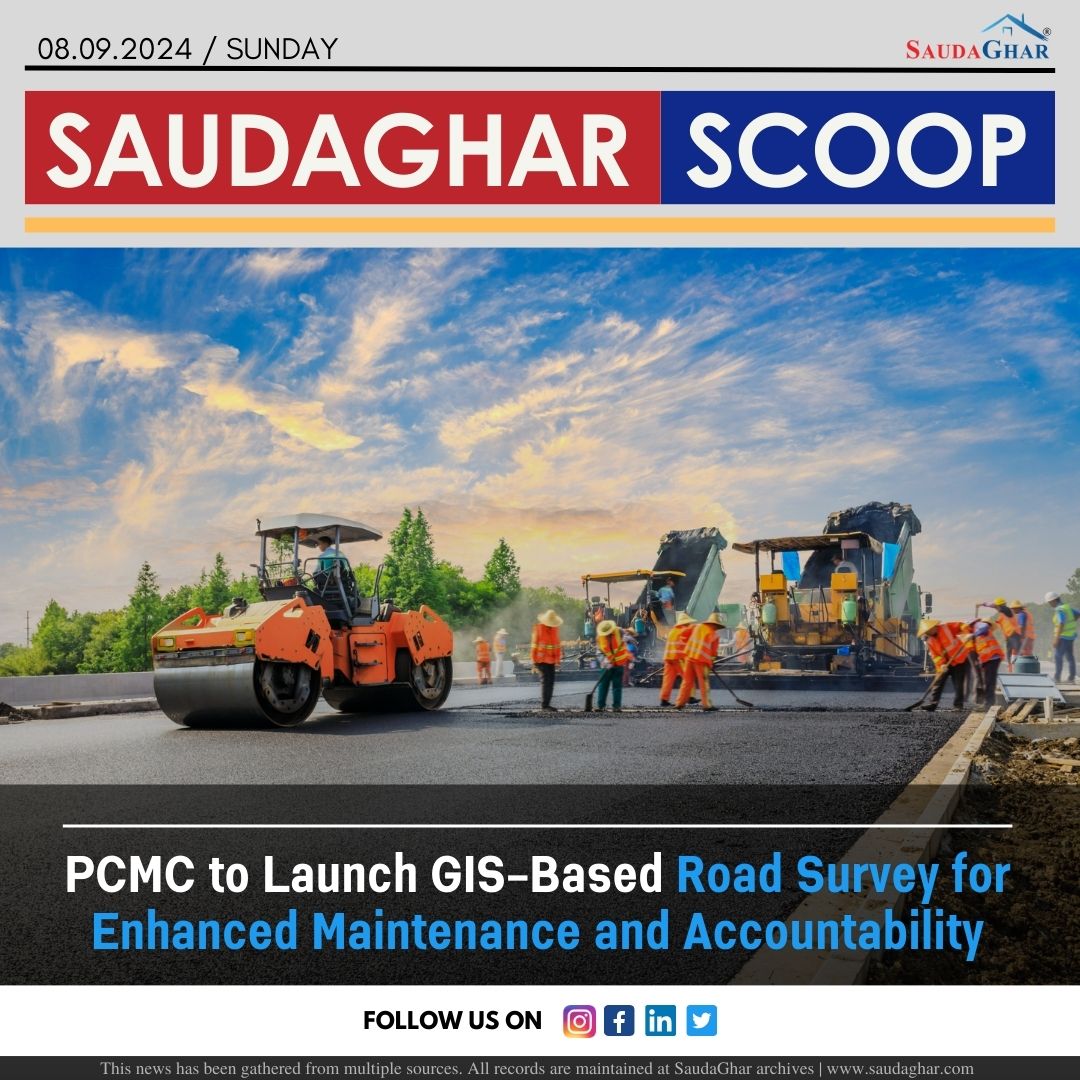






















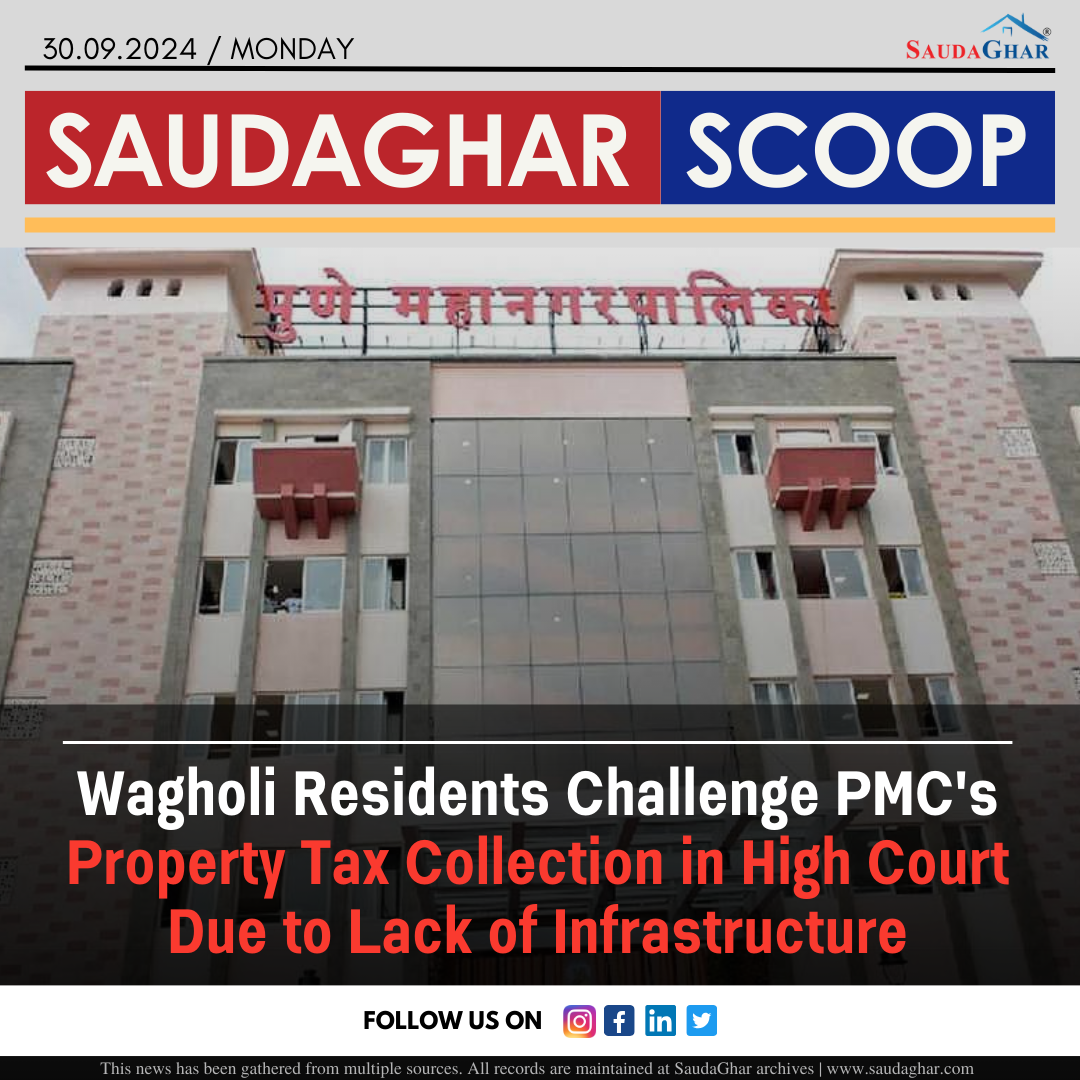



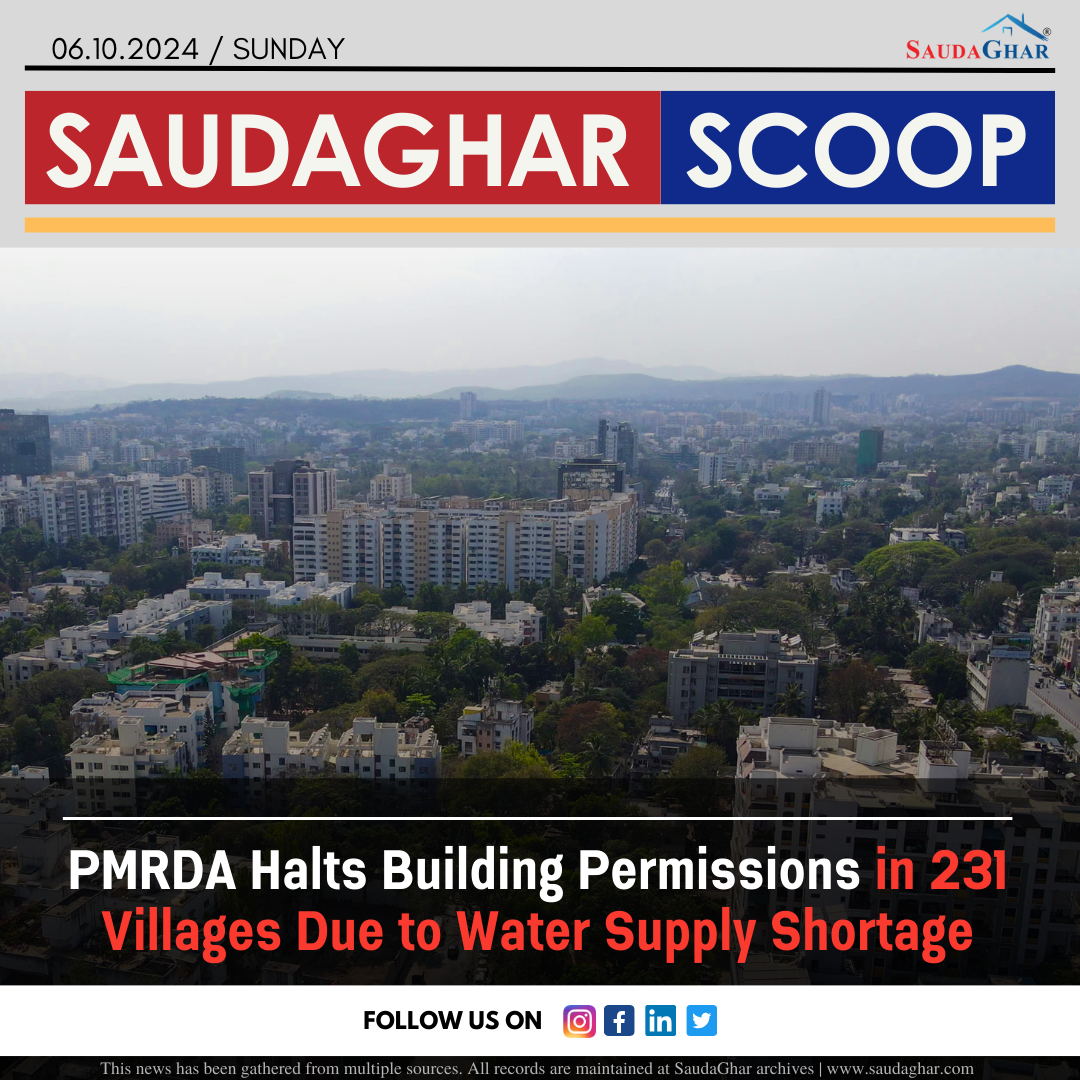














































KCB 326-Acre Merger with PMC Awaits Approval
25 Dec 2024




























PMRDA Unveils ₹67 Crore Plan to Boost Tourism
15 Feb 2025


















































































Land Acquisition for PMRDA Ring Road Speeds Up
20 Jul 2025





Civic Apathy Delays Pune Warje Road Project
08 Aug 2025





















































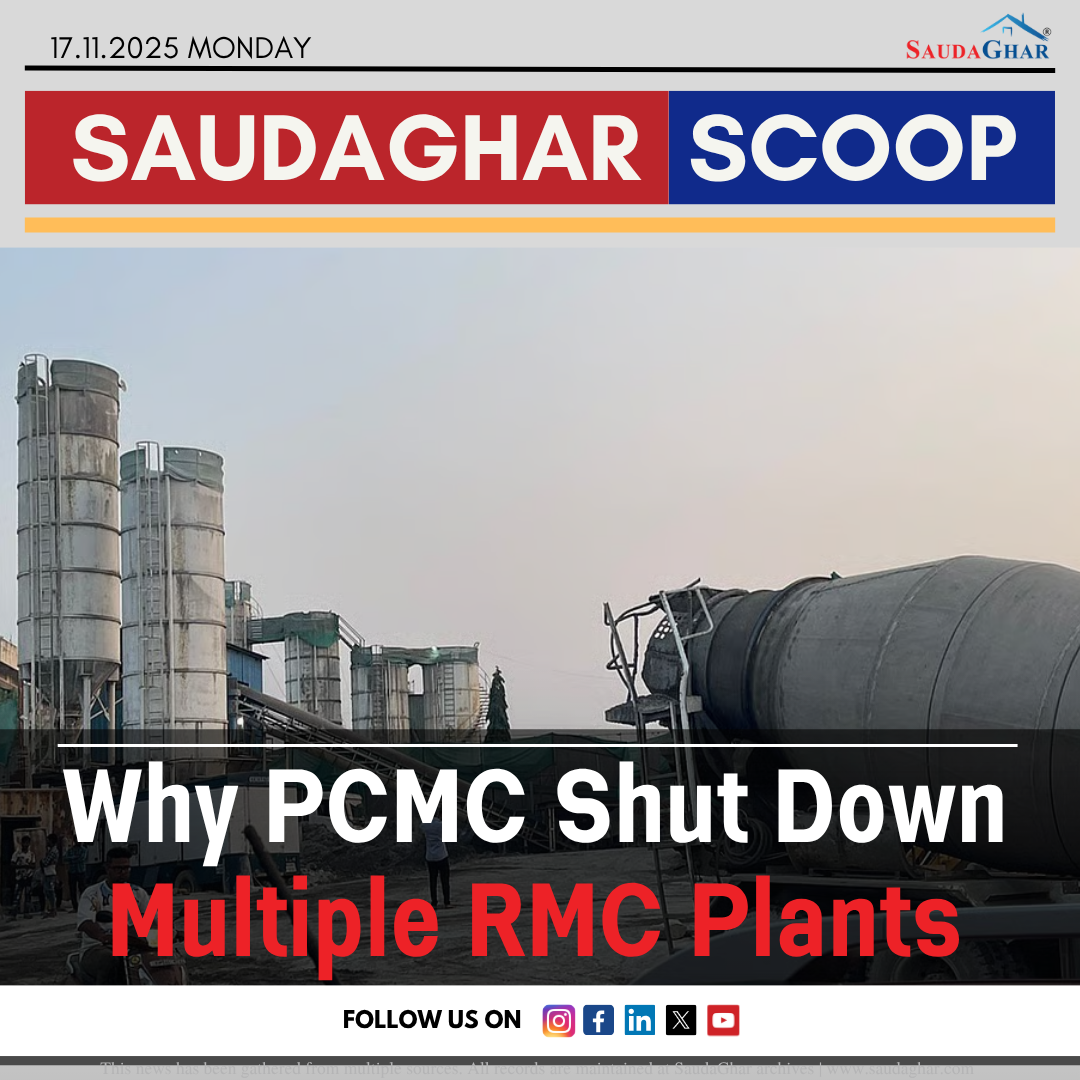
Why PCMC Shut Down Multiple RMC Plants.
17 Nov 2025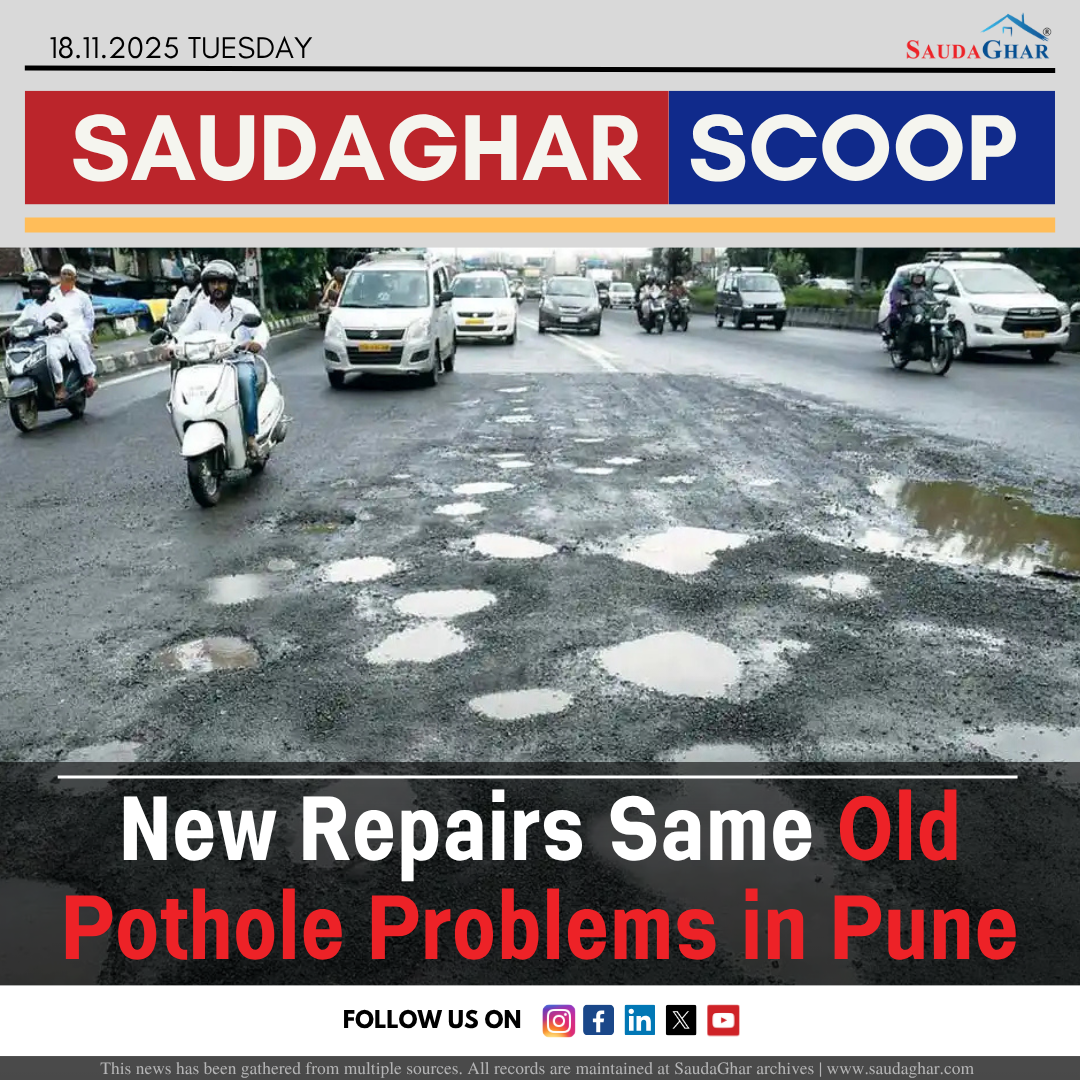
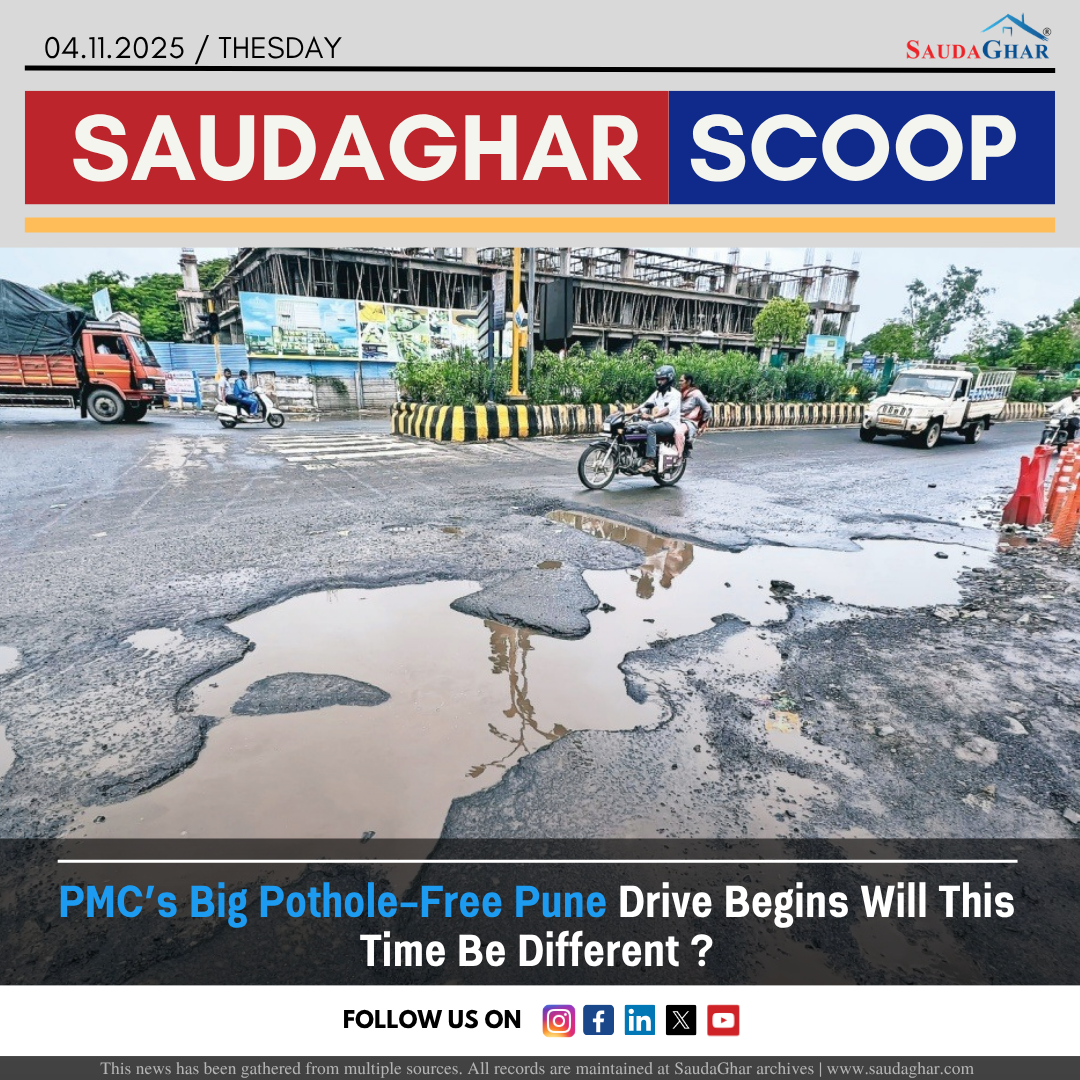
New Repairs Same Old Pothole Problems in Pune.
18 Nov 2025






















Yerawada Katraj Tunnel A New Way to Cross Pune
07 Jan 2026

What 2025 Tells Us About Pune Real Estate Demand
09 Jan 2026