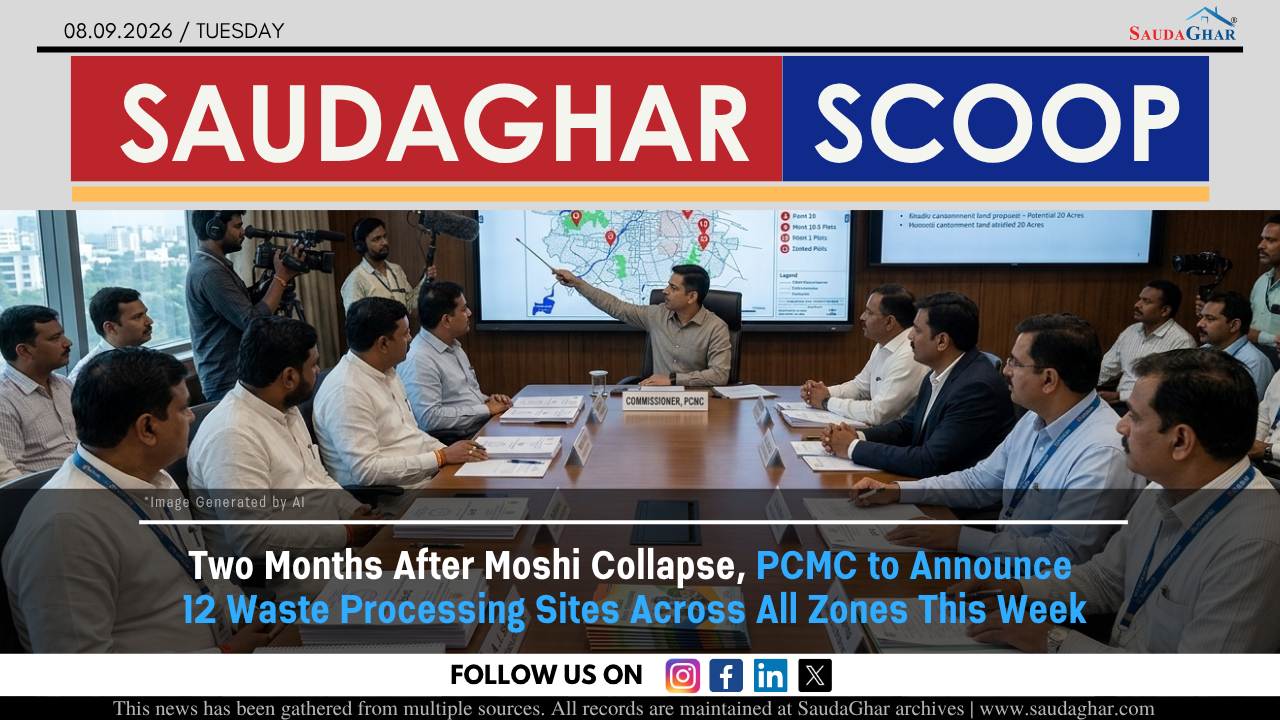
Two Months After Moshi Collapse, PCMC to Announce 12 Waste Processing Sites Across All Zones This Week
Nearly two months after the Moshi landfill collapse that caused casualties and crippled Pimpri Chinchwad's waste management system, PCMC is set to announce 12 land parcels, one in each administrative zone, for setting up decentralised waste processing facilities this week after discussions with local corporators. The city generates around 1,400 to 1,500 tonnes of waste daily, all of which currently converges at the 81-acre Moshi depot, the only processing and dumping facility in Pimpri Chinchwad, a dangerous single point of failure that the July 8 collapse made devastatingly clear. PCMC commissioner said officials spent one and a half months identifying reserved land across the city and that of the 12 plots identified, six are relatively small and will be used only for dry waste processing. At least five to six private companies have already approached PCMC with proposals and presentations have been made with the process of preparing DPRs and appointing consultants also initiated.
PCMC has approached Khadki Cantonment Board seeking 25 acres for a new Waste-to-Energy plant to complement its only existing WtE plant inside the Moshi depot while also holding discussions with firms on which systems can be deployed at each identified plot. Land availability remains a key challenge with Bio-CNG plants requiring at least 10 acres which is not readily available across all zones. In a significant policy shift, the commissioner confirmed that no land will henceforth be reserved for dumping and every identified plot will be used either as a transfer station or a proper waste processing facility, with neither permitted to generate foul smell. For a city that watched its entire waste management chain collapse along with a garbage mountain in July, the shift to a decentralised twelve-zone model is not just an operational upgrade but a fundamental rethinking of how Pimpri Chinchwad handles the 1,400 tonnes of waste its residents generate every single day.
Similar News





















































































Monsoon Deluge Exposes PMC Road Repair Failures
28 Sep 2023



































Amnesty Scheme to Reduce Stamp Duty Deficit
02 Dec 2023



Historic Bhide Wada Set for Redevelopment by PMC
06 Dec 2023


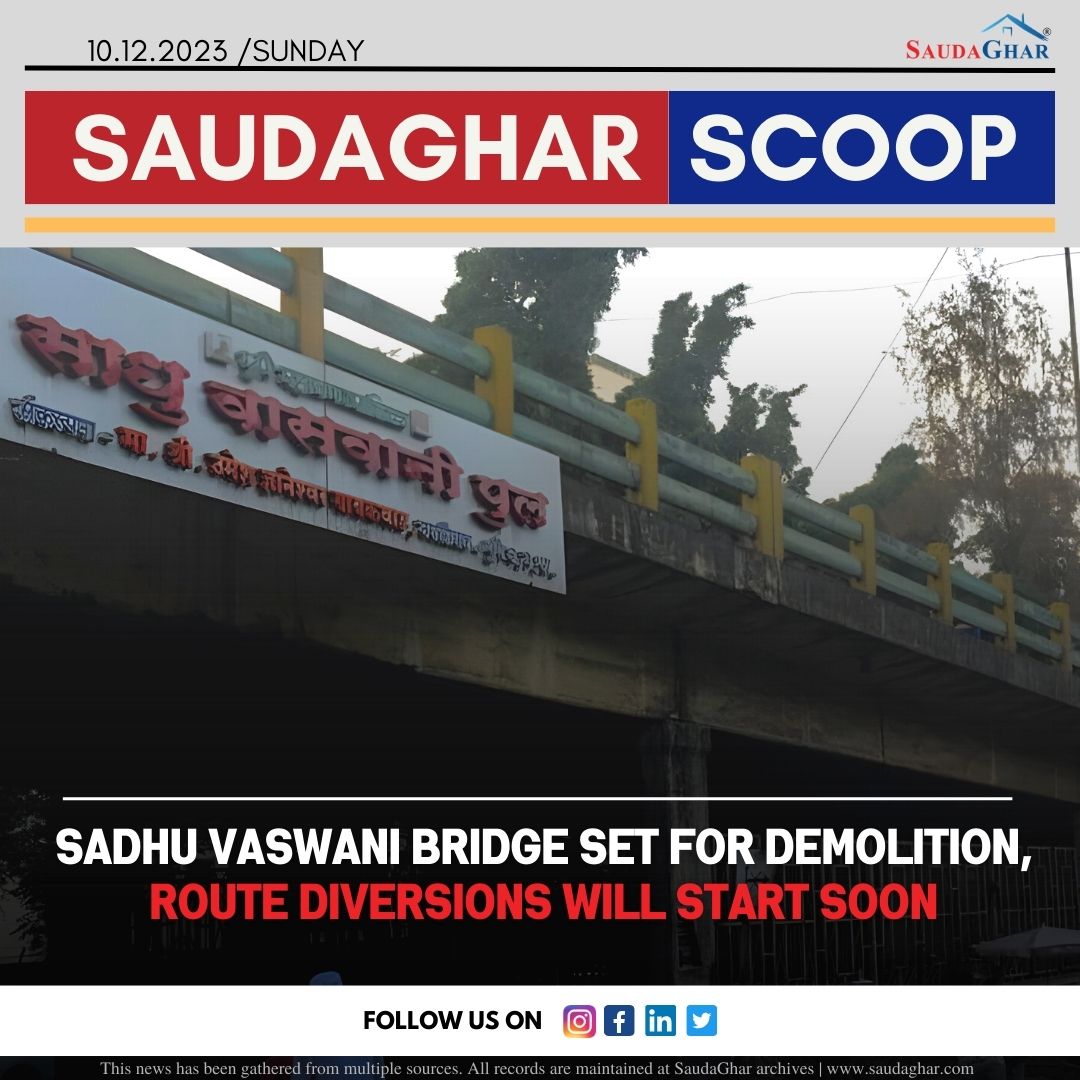


PMC Approved Bus Bay on Nagar Road
12 Dec 2023





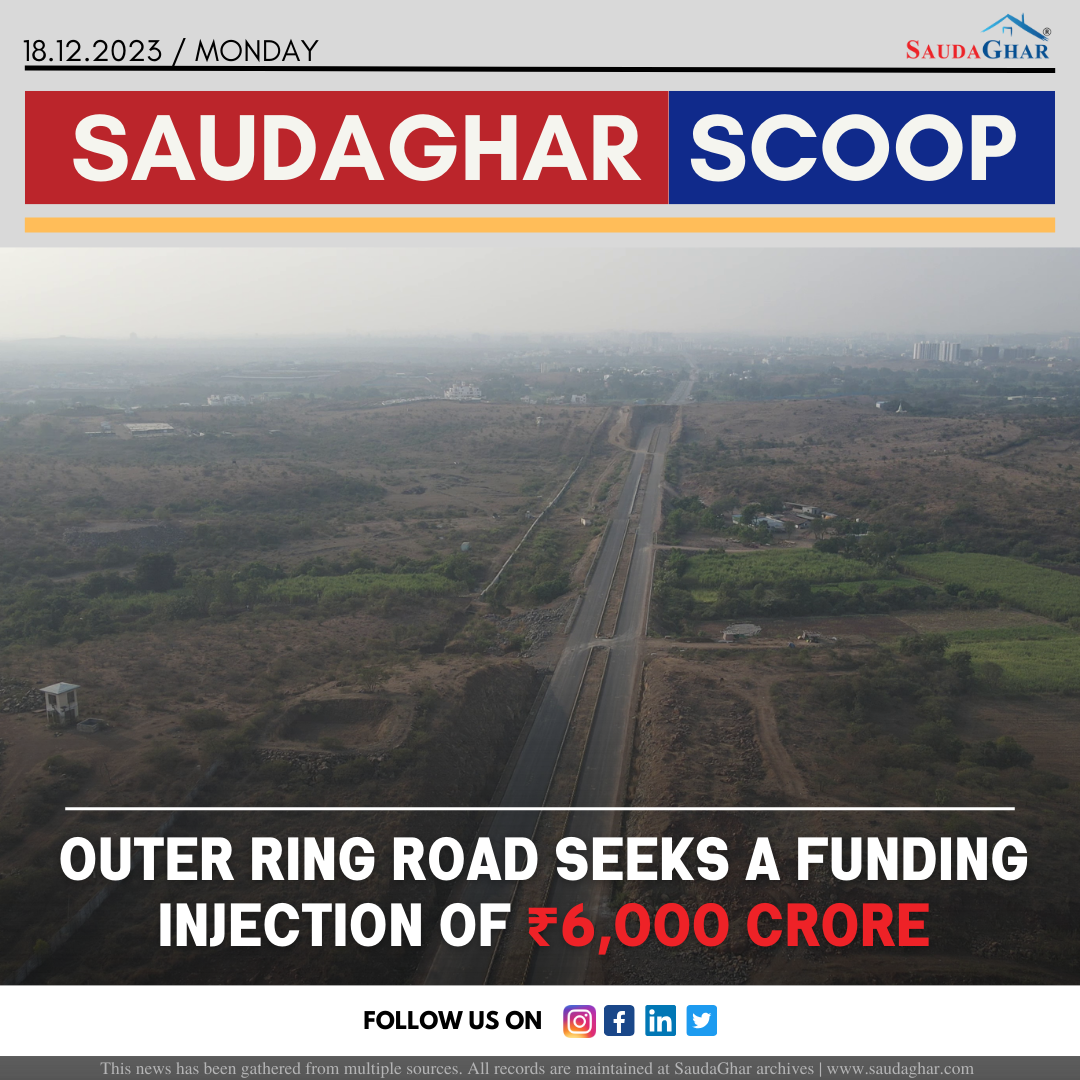

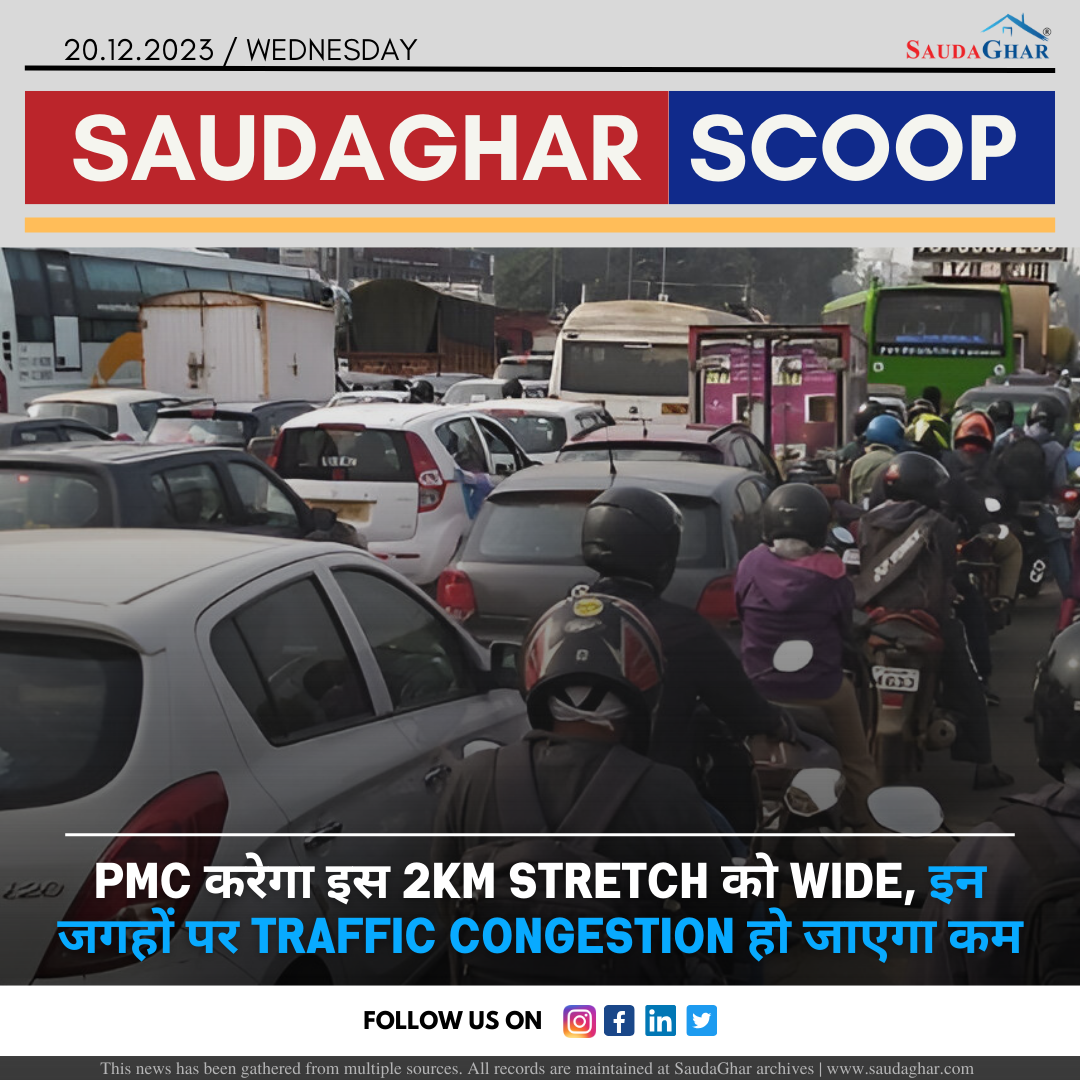



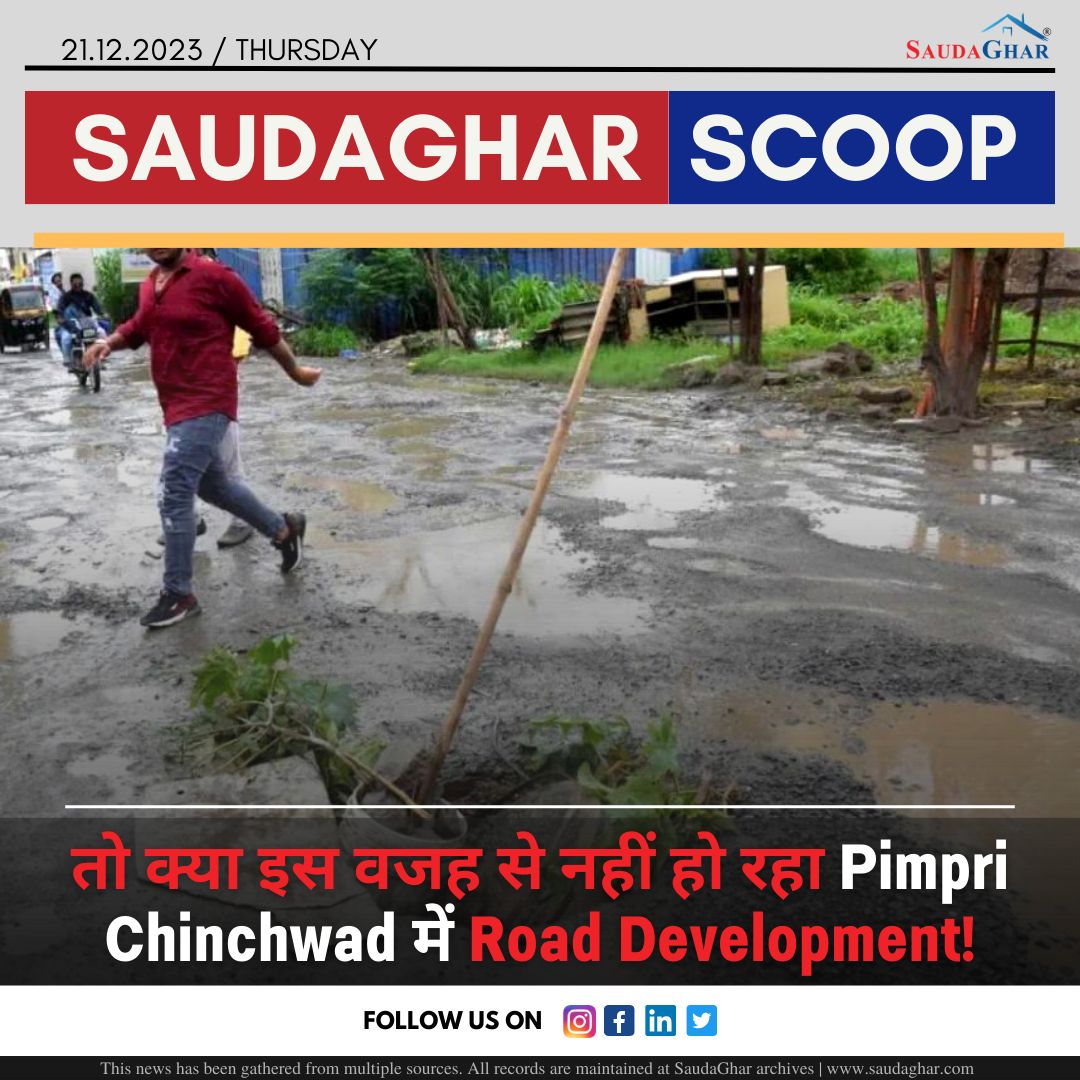






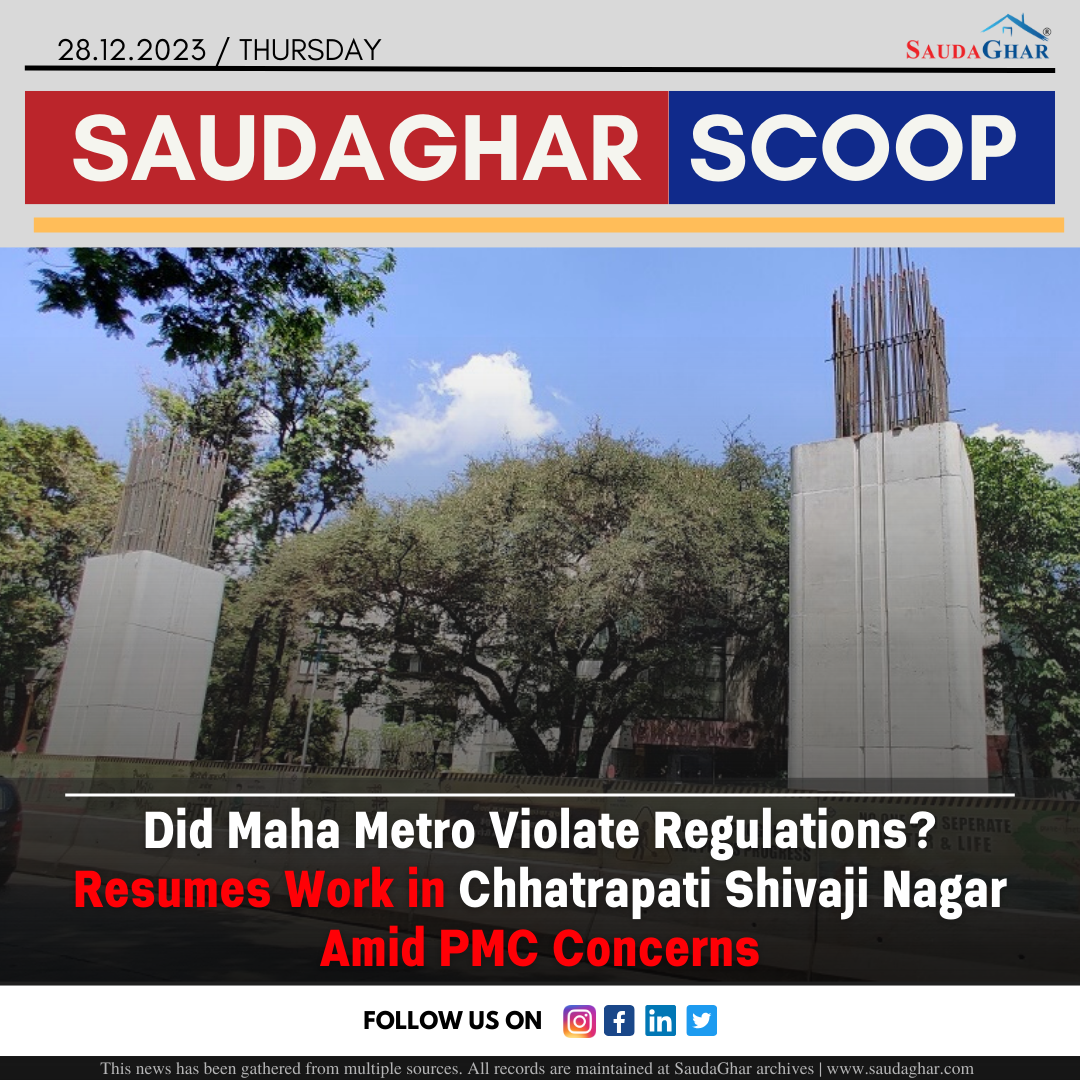










PMC Phased Approach to Repair 40 Aging Bridges
08 Jan 2024





















Long Weekend से Pune-Satara Highway पर लगा लंबा!
27 Jan 2024















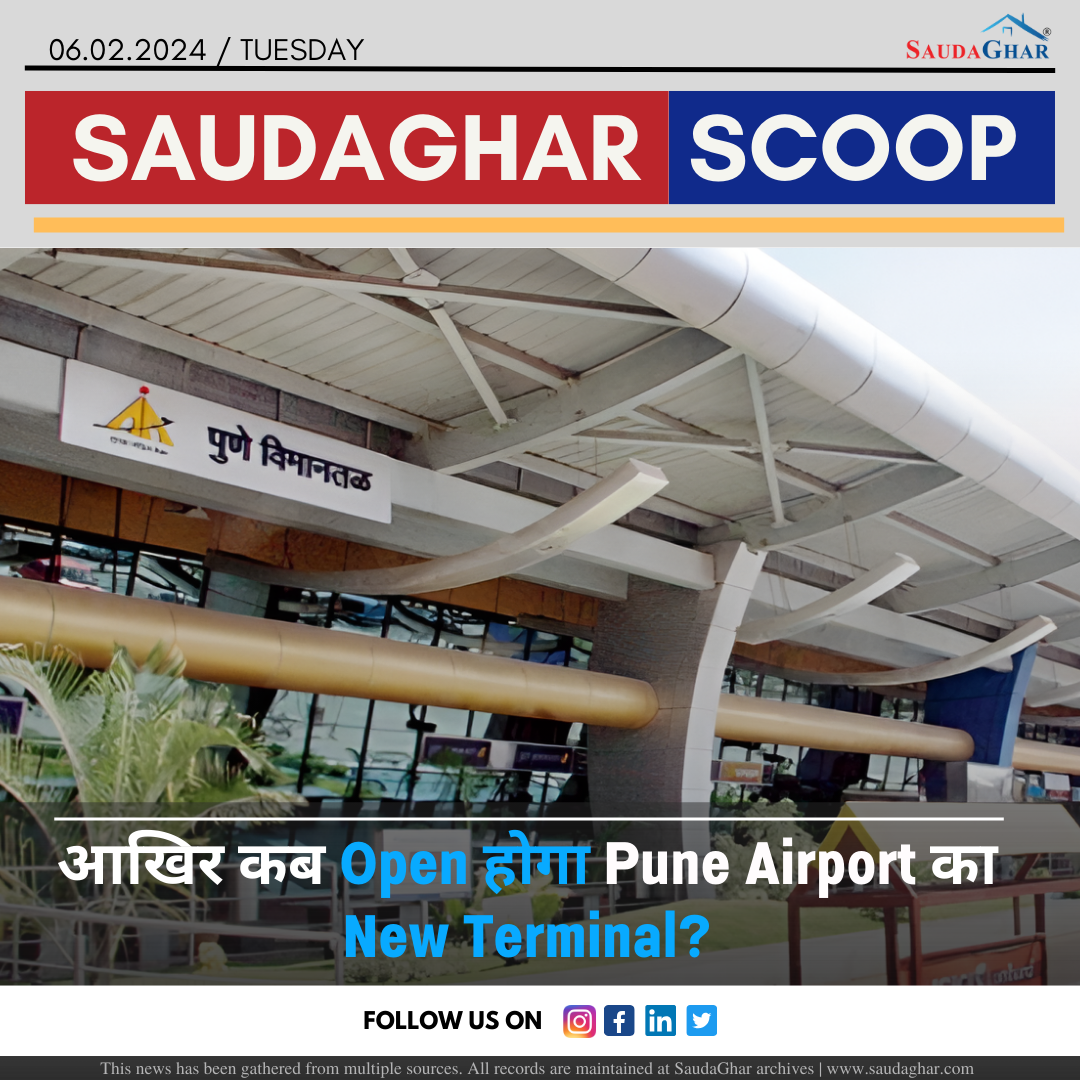
आखिर कब Open होगा Pune Airport का New Terminal?
06 Feb 2024

Pune Areas to Experience Water Shortage Tomorrow
07 Feb 2024


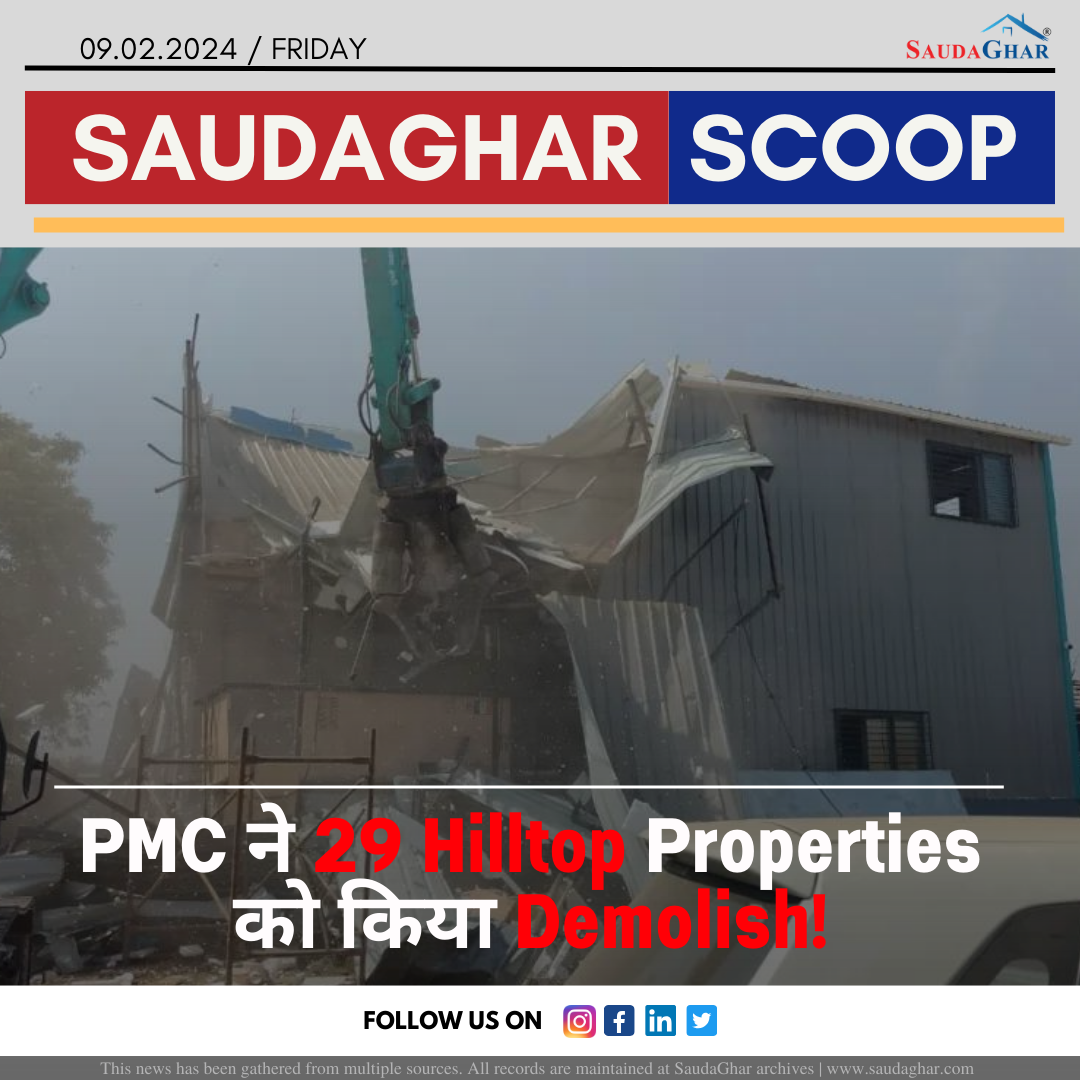
PMC demolishes 29 Hilltop Properties
09 Feb 2024










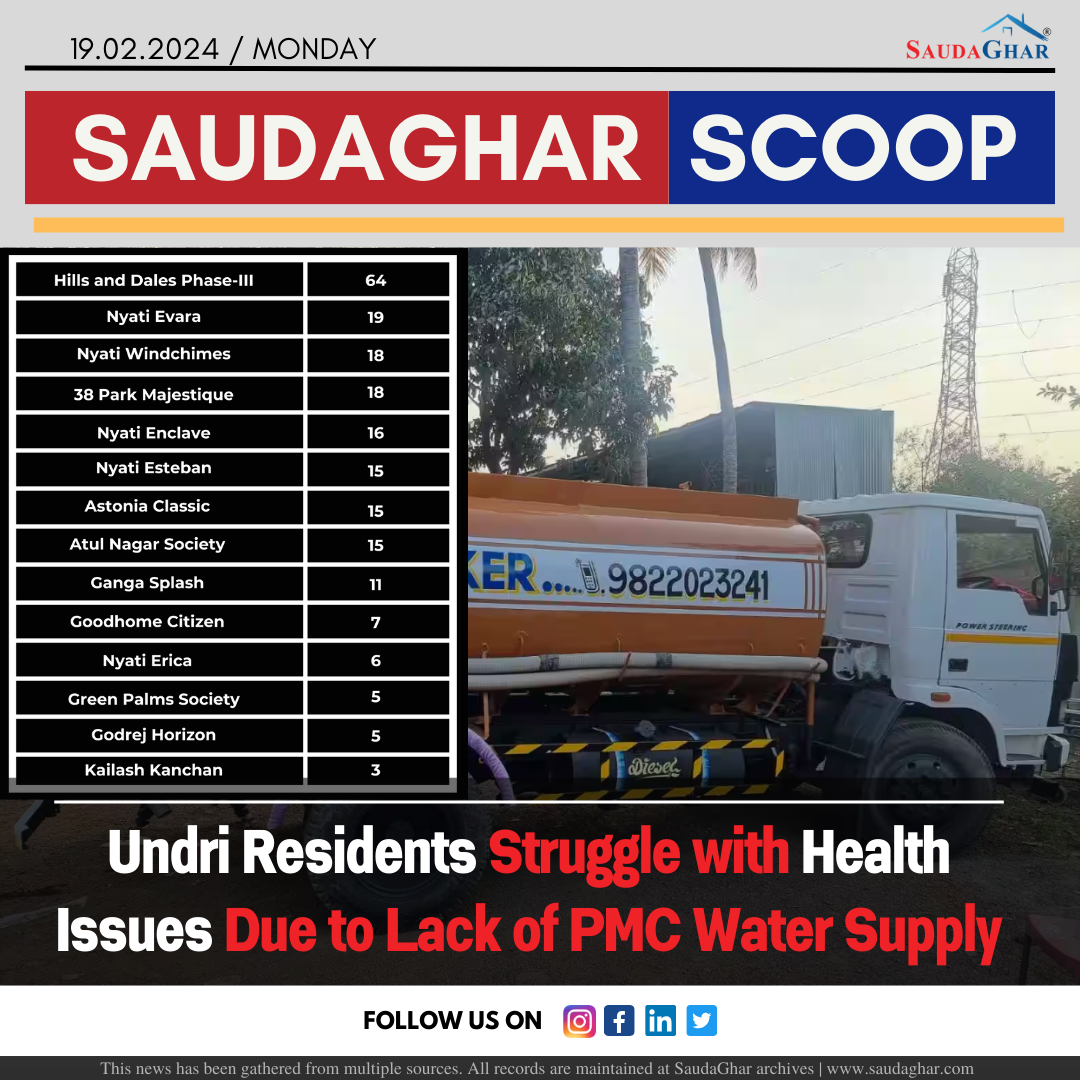










































PMC under scrutiny for repeated budget inflation
03 Apr 2024




Pune Battle Against Rising Garbage-Related Fires
08 Apr 2024






IMD Warns Dry Conditions Challenge 125 Districts
19 Apr 2024







Residents Sweat Through Frequent Power Outages
28 Apr 2024














































BSI to Open New Botanical Garden in Mundhwa
27 Aug 2024





















































































KCB 326-Acre Merger with PMC Awaits Approval
25 Dec 2024






























PMRDA Unveils ₹67 Crore Plan to Boost Tourism
15 Feb 2025




































































































Land Acquisition for PMRDA Ring Road Speeds Up
20 Jul 2025






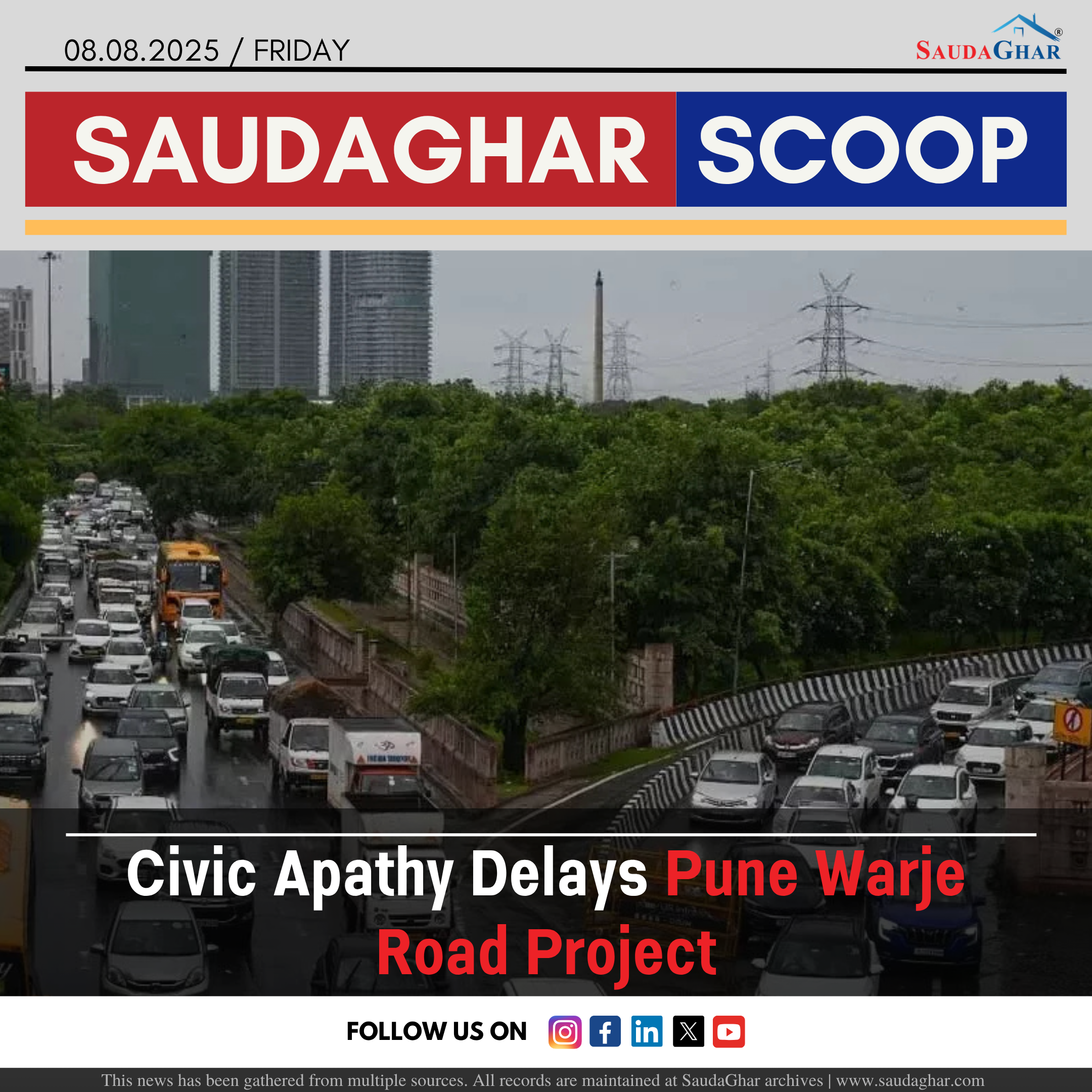
Civic Apathy Delays Pune Warje Road Project
08 Aug 2025





































































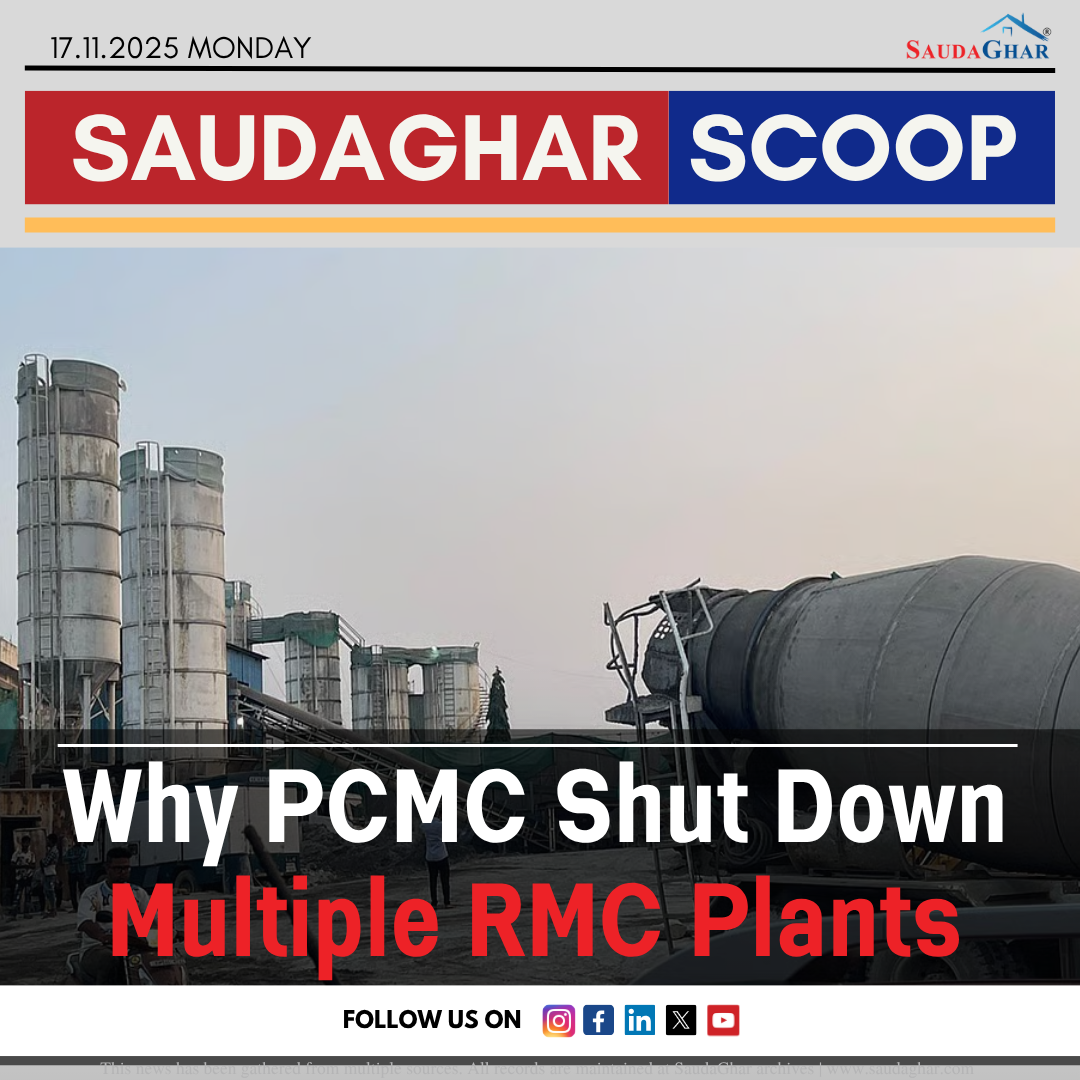
Why PCMC Shut Down Multiple RMC Plants.
17 Nov 2025
New Repairs Same Old Pothole Problems in Pune.
18 Nov 2025

































Yerawada Katraj Tunnel A New Way to Cross Pune
07 Jan 2026

What 2025 Tells Us About Pune Real Estate Demand
09 Jan 2026