Pune Most Awaited Metro Corridor Adds Walking Bridges Cycle Bays and App Rides Before Day One
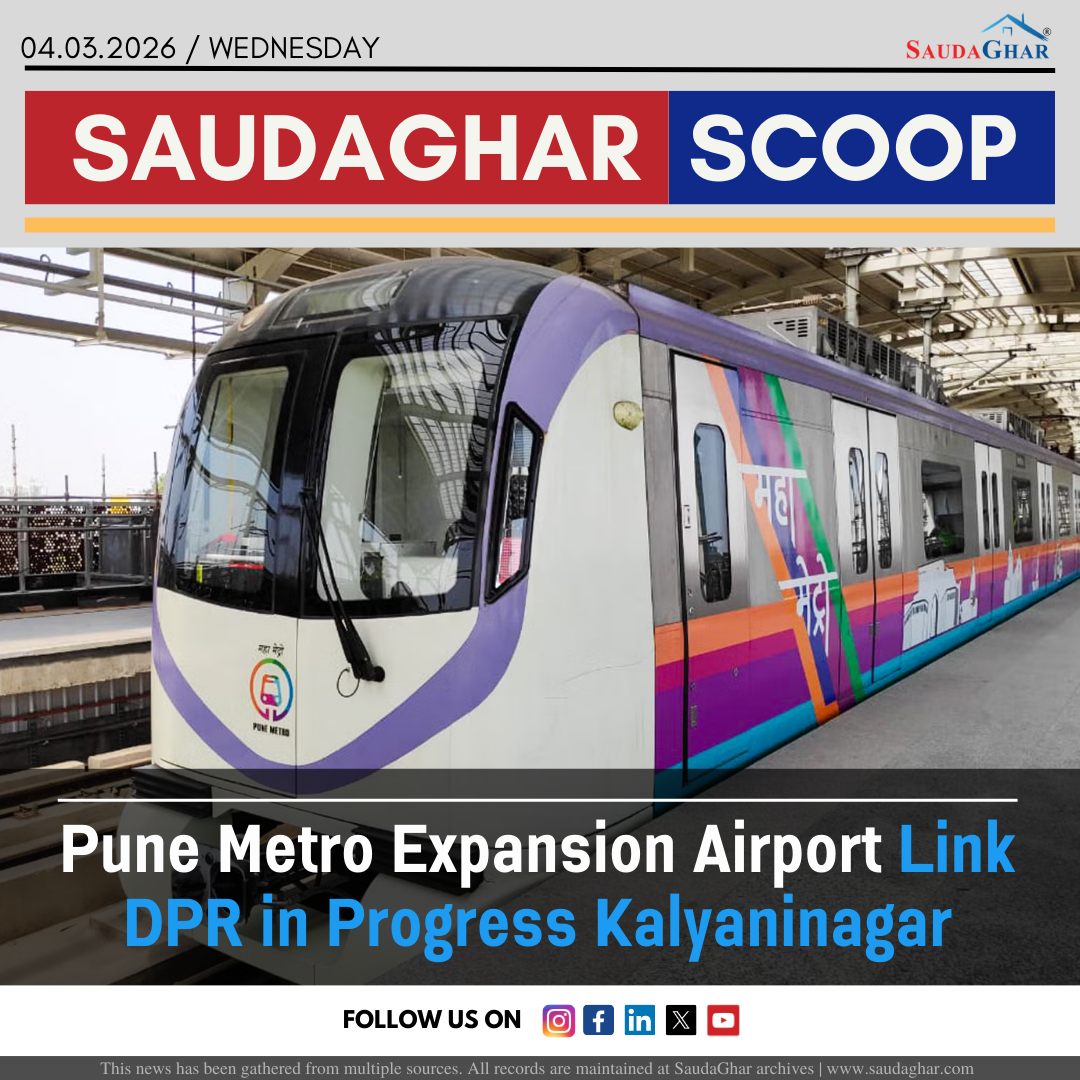
With the inaugural phase of Metro Line 3 on the Hinjewadi to Shivajinagar corridor inching toward its scheduled July debut the Pune Metropolitan Region Development Authority has been working at an accelerated pace to ensure passengers can travel the final stretch between stations and their workplaces without needing a personal vehicle. Elevated pedestrian walkways are being constructed at strategic points along the 23 kilometre route with one such structure already largely complete and nearing handover while additional crossings to other technology campuses remain under active construction. The first operational phase will cover twelve stations between Maan in Hinjewadi and Ramnagar in Baner and is anticipated to receive final regulatory clearance before the close of June paving the way for commercial passenger services the following month. A PMRDA official noted that access to one prominent technology hub is practically finalised and the authority is pushing to replicate that standard of direct pedestrian access across the remaining employment centres along the line.
Planners have built a layered travel network around the metro corridor that goes well beyond the train service itself encompassing feeder buses running to and from stations designated zones for taxis and three wheelers spaces for bicycles and electric rickshaws and parking bays for both two and four wheeled private vehicles at locations where ground conditions allow. Connectivity with digital ride hailing platforms is also being woven into the system so that commuters can plan door to door journeys through a single interface. The overarching aim as articulated by senior PMRDA engineers is to make the metro the obvious and convenient choice for daily travel replacing the private car and motorcycle trips that currently choke the roads between Hinjewadi and central Pune. If the surrounding infrastructure performs as intended the corridor could mark a genuine turning point in how the city's large technology workforce moves between home and office each day.
Similar News



























































































Monsoon Deluge Exposes PMC Road Repair Failures
28 Sep 2023






































Amnesty Scheme to Reduce Stamp Duty Deficit
02 Dec 2023



Historic Bhide Wada Set for Redevelopment by PMC
06 Dec 2023





PMC Approved Bus Bay on Nagar Road
12 Dec 2023




























PMC Phased Approach to Repair 40 Aging Bridges
08 Jan 2024





















Long Weekend से Pune-Satara Highway पर लगा लंबा!
27 Jan 2024















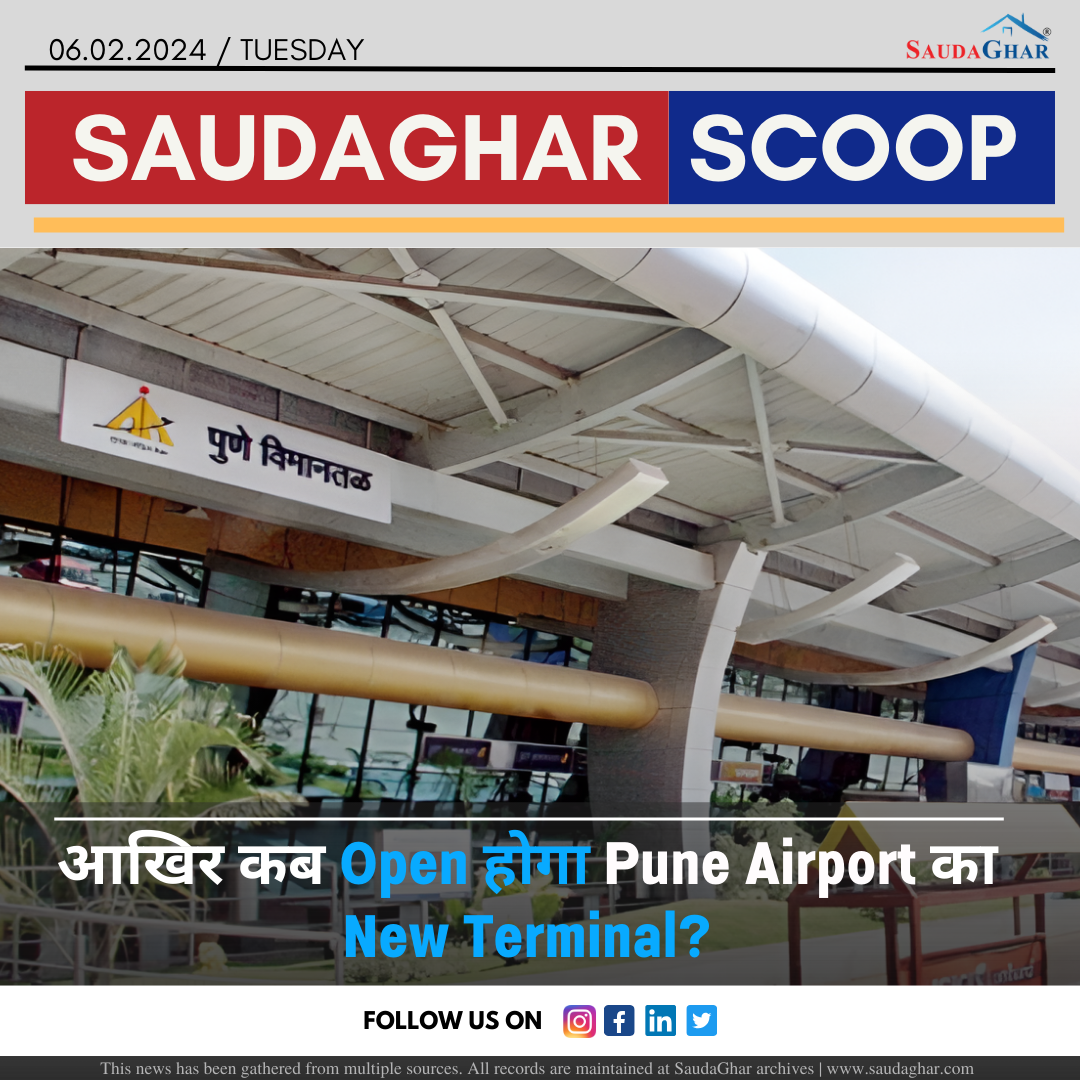
आखिर कब Open होगा Pune Airport का New Terminal?
06 Feb 2024

Pune Areas to Experience Water Shortage Tomorrow
07 Feb 2024



PMC demolishes 29 Hilltop Properties
09 Feb 2024





















































PMC under scrutiny for repeated budget inflation
03 Apr 2024




Pune Battle Against Rising Garbage-Related Fires
08 Apr 2024






IMD Warns Dry Conditions Challenge 125 Districts
19 Apr 2024







Residents Sweat Through Frequent Power Outages
28 Apr 2024















































BSI to Open New Botanical Garden in Mundhwa
27 Aug 2024
























































































KCB 326-Acre Merger with PMC Awaits Approval
25 Dec 2024






























PMRDA Unveils ₹67 Crore Plan to Boost Tourism
15 Feb 2025














































































































Land Acquisition for PMRDA Ring Road Speeds Up
20 Jul 2025







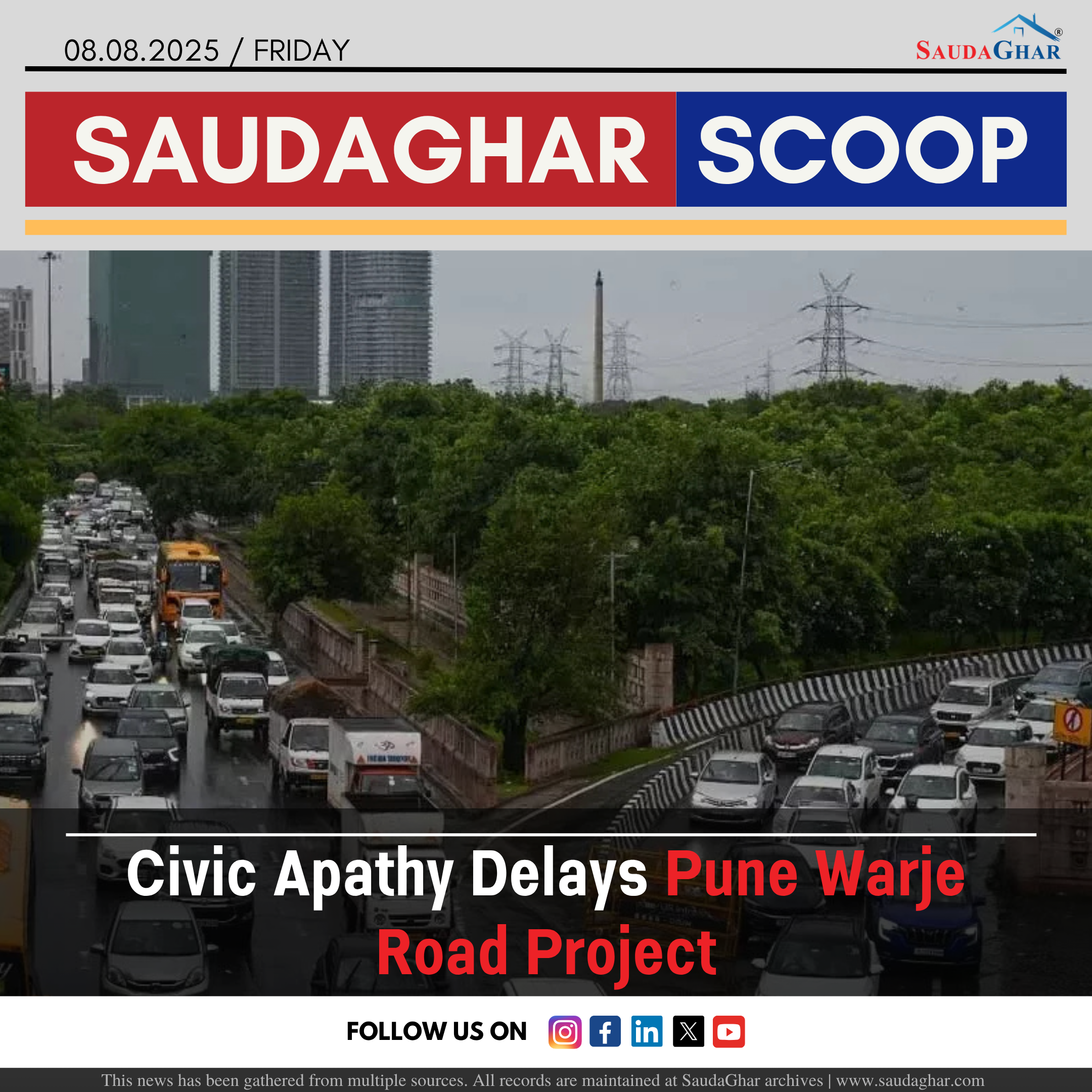
Civic Apathy Delays Pune Warje Road Project
08 Aug 2025











































































Why PCMC Shut Down Multiple RMC Plants.
17 Nov 2025
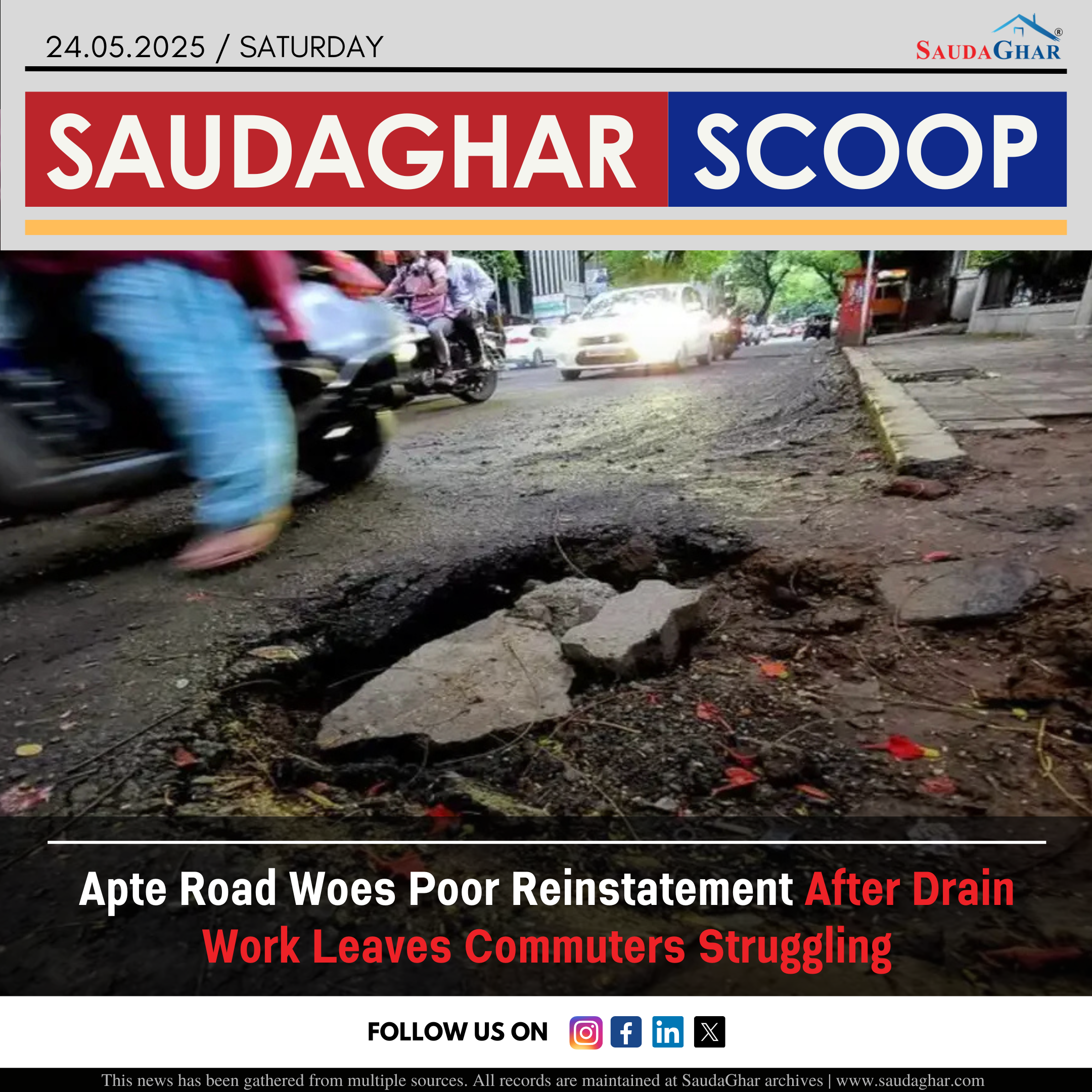
New Repairs Same Old Pothole Problems in Pune.
18 Nov 2025





































Yerawada Katraj Tunnel A New Way to Cross Pune
07 Jan 2026

What 2025 Tells Us About Pune Real Estate Demand
09 Jan 2026