Pune Collector Sets April-End Deadline for All 186 Pending MahaRERA Recovery Warrants Worth Rs 146.5 Crore
Pune District Collector has directed the revenue machinery to execute all 186 pending MahaRERA recovery warrant orders involving Rs 146.5 crore by April-end, saying homebuyers must receive their hard-earned money without further delay following a review meeting with tehsildars from all talukas. According to district administration data, these 186 pending warrants are part of a broader pool of 304 warrants totalling Rs 248.77 crore with the highest pendency reported in Haveli, Pune city and PCMC areas while significant amounts also remain stuck in Khed, Maval, Lonikand and Uruli Kanchan talukas. The administration successfully executed 118 cases worth Rs 102.17 crore between April 2025 and January 2026 but 59 new cases worth Rs 53.28 crore were added during the same period keeping the backlog stubbornly high. Officials have been instructed to take coercive measures including attachment and public auction of defaulting developers' properties to meet the deadline and the district's recovery data will be uploaded to the collectorate website for public transparency.
The execution of MahaRERA warrants has faced persistent criticism for being slow despite MahaRERA issuing the orders and calculating refunds and interest for delayed or stalled projects, the legal power to enforce lies with district revenue administration under land revenue laws. Last year MahaRERA chairman urged collectors to prioritise high-value projects to recover at least 50 percent of pending dues and the authority has appointed a retired senior revenue official to coordinate with districts. However experts argue more is needed saying merely appointing retired bureaucrats is insufficient and that these officials must be granted statutory powers via gazette notification enabling them to legally requisition police assistance to enforce orders on the ground. For Pune's thousands of homebuyers who invested life savings in projects that got delayed or stalled, the April-end deadline and the threat of property attachments represent the most concrete enforcement action they have seen in years and the real test will be whether the revenue machinery follows through with actual coercive action rather than another round of notices and promises.
Similar News






















































































Monsoon Deluge Exposes PMC Road Repair Failures
28 Sep 2023




































Amnesty Scheme to Reduce Stamp Duty Deficit
02 Dec 2023



Historic Bhide Wada Set for Redevelopment by PMC
06 Dec 2023




PMC Approved Bus Bay on Nagar Road
12 Dec 2023


























PMC Phased Approach to Repair 40 Aging Bridges
08 Jan 2024





















Long Weekend से Pune-Satara Highway पर लगा लंबा!
27 Jan 2024
















आखिर कब Open होगा Pune Airport का New Terminal?
06 Feb 2024

Pune Areas to Experience Water Shortage Tomorrow
07 Feb 2024


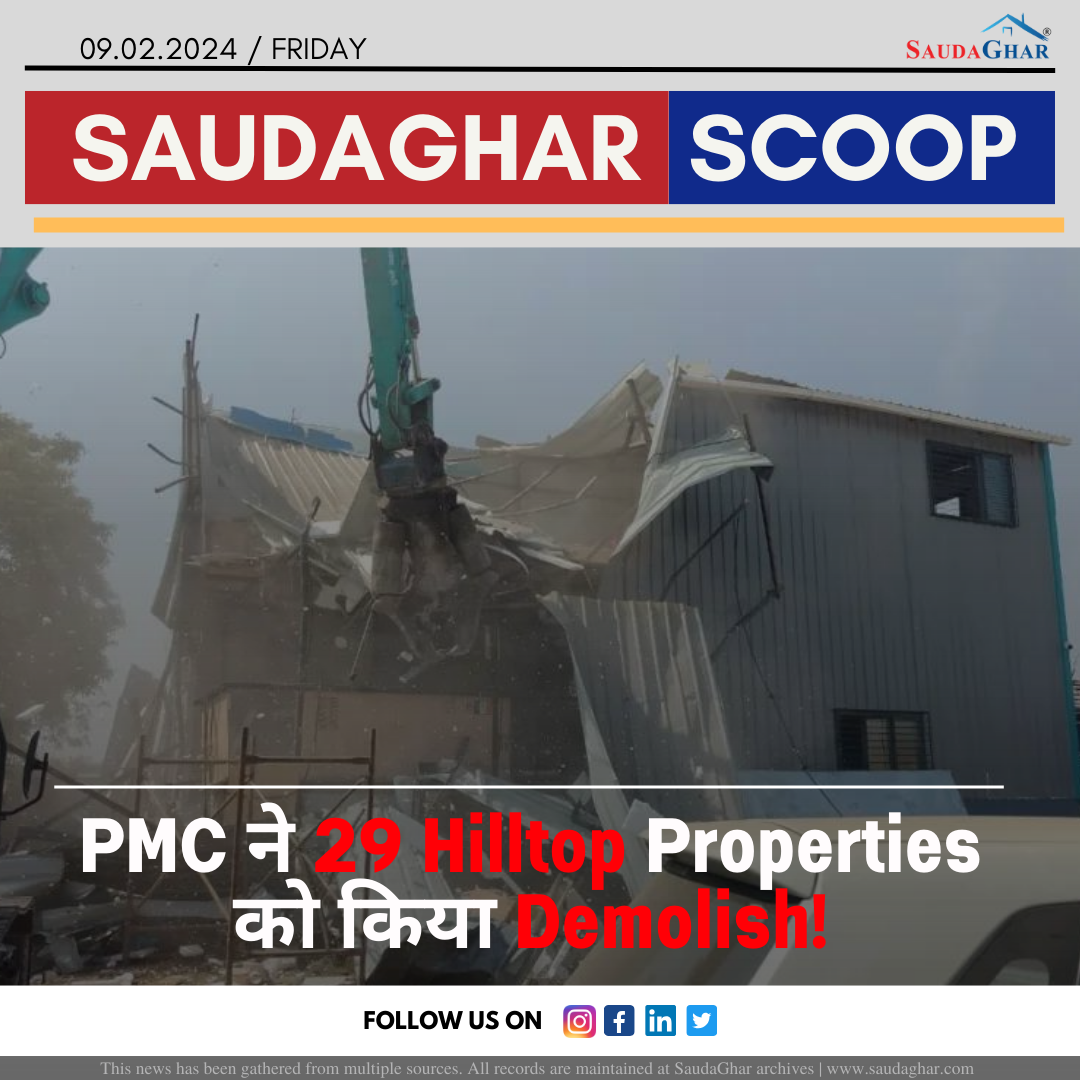
PMC demolishes 29 Hilltop Properties
09 Feb 2024



















































PMC under scrutiny for repeated budget inflation
03 Apr 2024




Pune Battle Against Rising Garbage-Related Fires
08 Apr 2024






IMD Warns Dry Conditions Challenge 125 Districts
19 Apr 2024






Residents Sweat Through Frequent Power Outages
28 Apr 2024













































BSI to Open New Botanical Garden in Mundhwa
27 Aug 2024






















































































KCB 326-Acre Merger with PMC Awaits Approval
25 Dec 2024






























PMRDA Unveils ₹67 Crore Plan to Boost Tourism
15 Feb 2025








































































































Land Acquisition for PMRDA Ring Road Speeds Up
20 Jul 2025






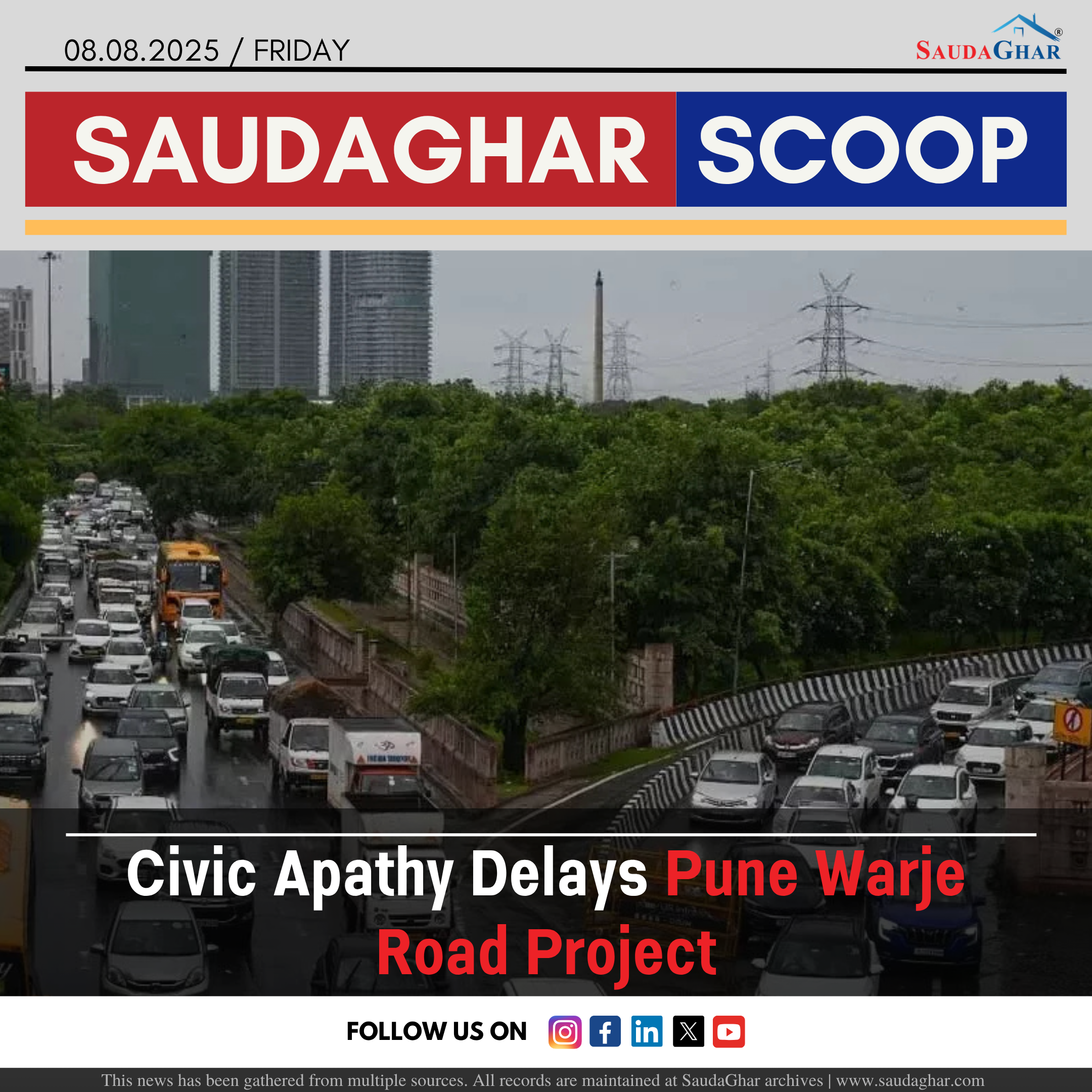
Civic Apathy Delays Pune Warje Road Project
08 Aug 2025

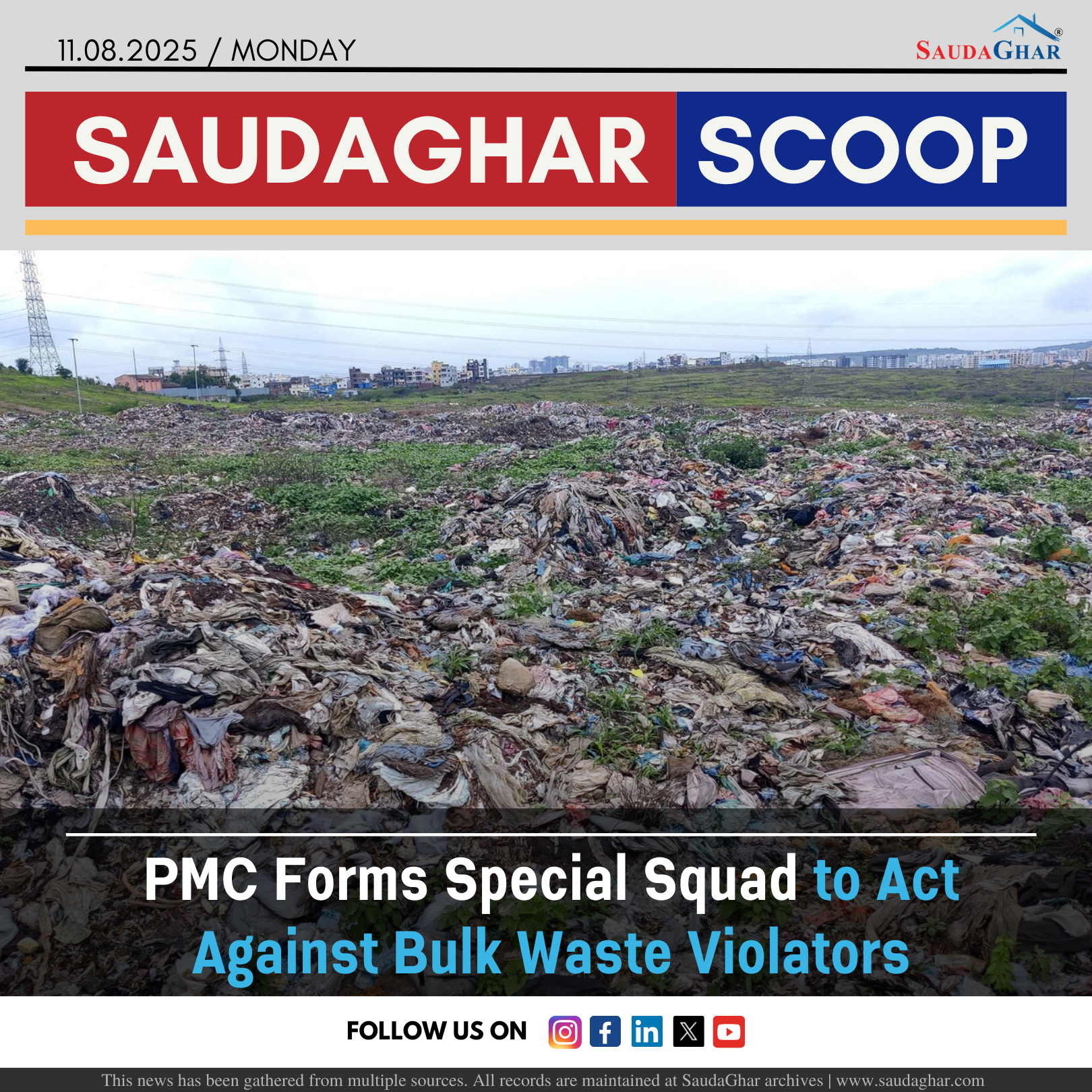















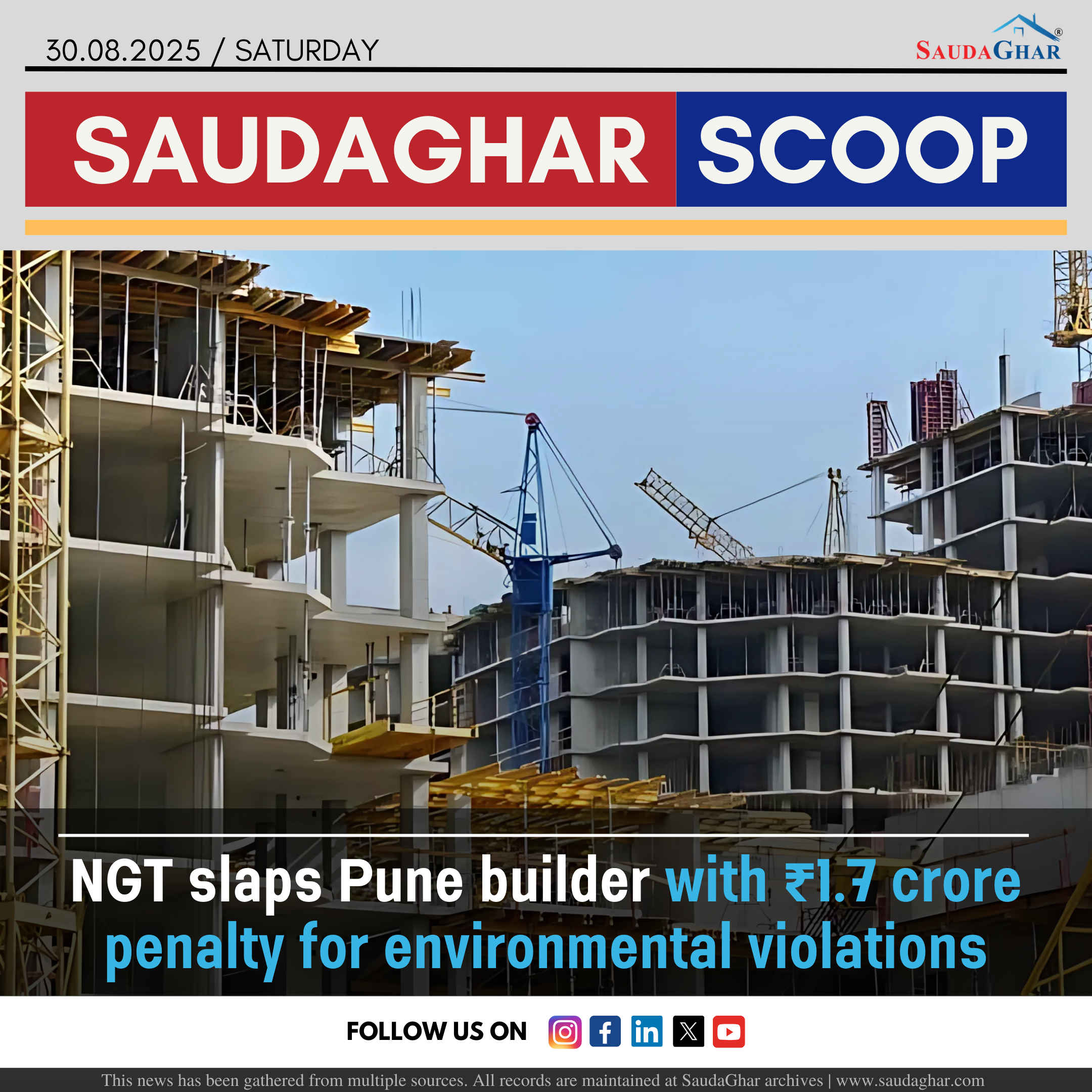
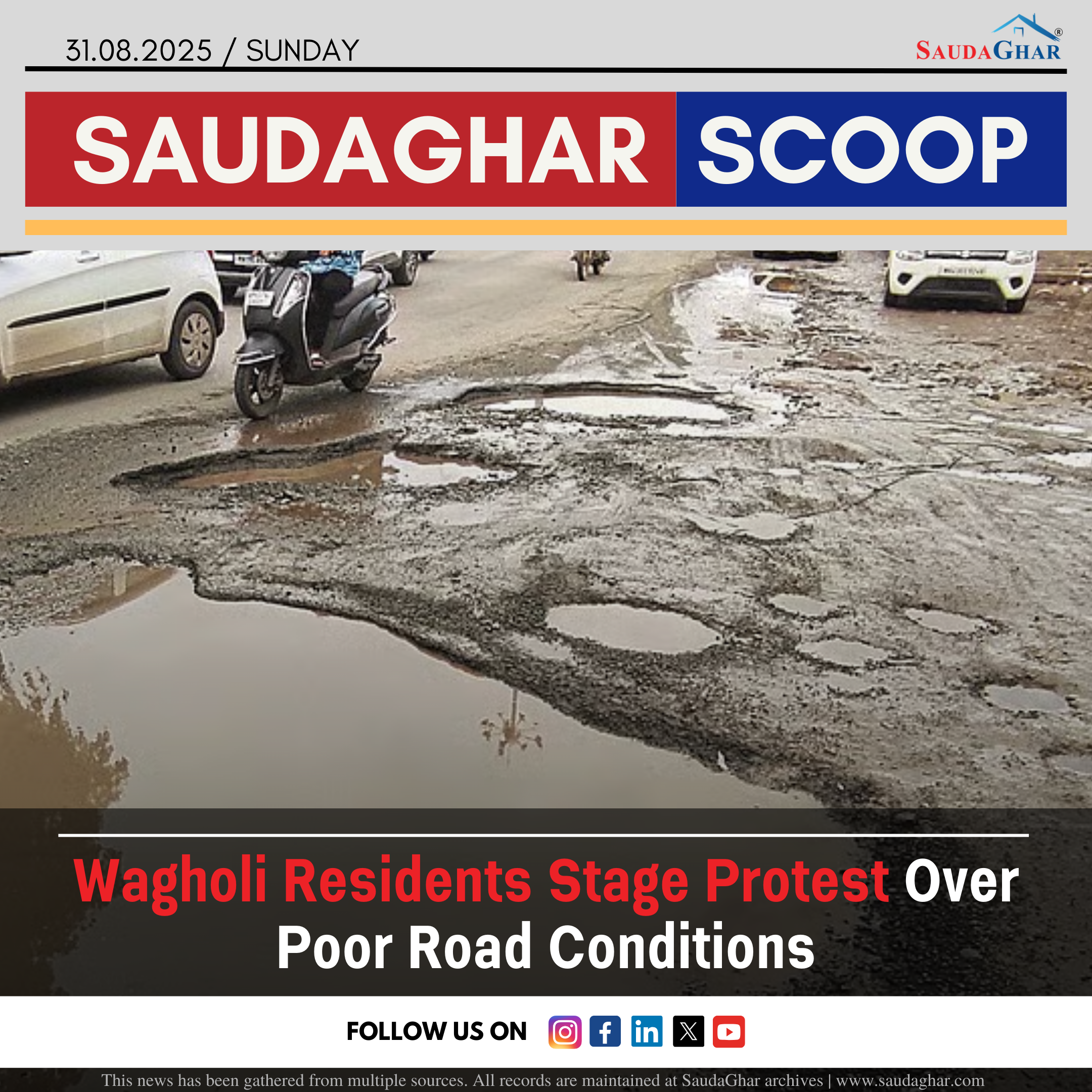























































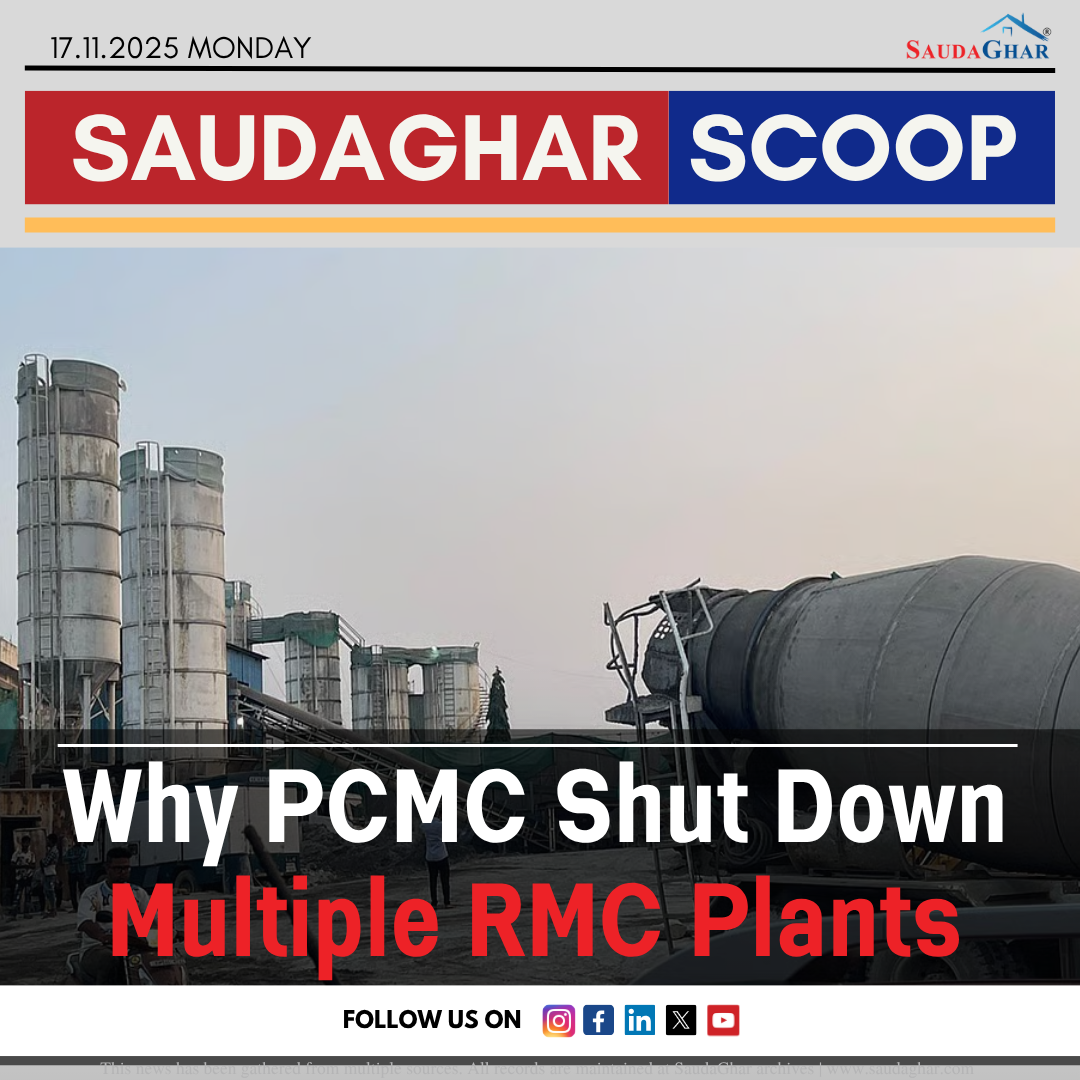
Why PCMC Shut Down Multiple RMC Plants.
17 Nov 2025
New Repairs Same Old Pothole Problems in Pune.
18 Nov 2025









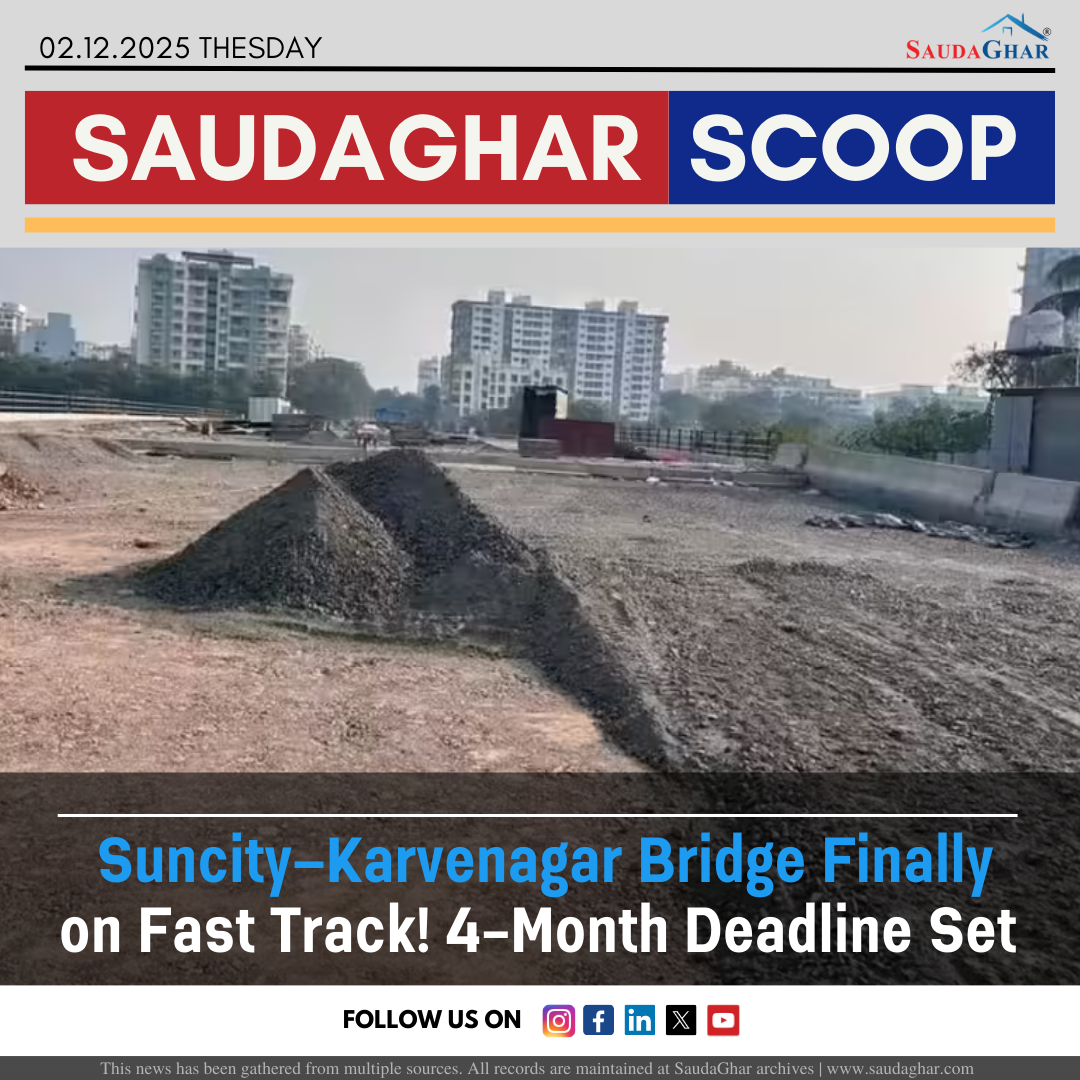



























Yerawada Katraj Tunnel A New Way to Cross Pune
07 Jan 2026

What 2025 Tells Us About Pune Real Estate Demand
09 Jan 2026