Maharashtra Bars Sub-Registrars From Registering Properties With Missing Permissions or Oversized Flat Areas
The Maharashtra state government has barred sub-registrars from registering property documents if mandatory permissions and supporting papers are missing or if a flat’s area exceeds what is approved in the sanctioned building plan, under a revenue department circular issued on October 12. The circular follows a September 22, 2026 meeting chaired by the revenue minister to curb irregularities involving buildings constructed without permission and flats sold with areas exceeding those sanctioned, practices the government said have resulted in serious financial losses for buyers. The restrictions cover agreements for first sales, sale deeds, deeds of apartments and transfer documents for construction projects across the state and were shaped by recommendations submitted by the registration department following the Mundhwa land scam. For MahaRERA-registered projects, documents must include the MahaRERA registration certificate or occupancy certificate and the sanctioned building plan showing unit area, while for projects exempt from MahaRERA, a construction permission or commencement certificate, sanctioned plan, zone certificate and measurement or survey plan are all mandatory.
The circular makes it mandatory for sub-registrars to refuse registration if a property document mentions an area exceeding the sanctioned plan even if all other required documents are submitted, closing a significant loophole that has enabled fraudulent oversized flat registrations for years. Joint IGR from the registration department welcomed the circular saying earlier sub-registrars could not refuse to register a document but now they can scrutinise and reject non-compliant transactions. The circular also warns that departmental inquiries will be initiated against sub-registrars who knowingly register documents in violation of these instructions, making the new framework a two-way accountability mechanism covering both property sellers and registration officials. For Maharashtra’s homebuyers who have suffered losses through unauthorised and oversized flat transactions, the October 12 circular represents the most direct regulatory intervention at the point of registration that the state has ever implemented.
Similar News






















































































Monsoon Deluge Exposes PMC Road Repair Failures
28 Sep 2023




































Amnesty Scheme to Reduce Stamp Duty Deficit
02 Dec 2023


Historic Bhide Wada Set for Redevelopment by PMC
06 Dec 2023




PMC Approved Bus Bay on Nagar Road
12 Dec 2023

























PMC Phased Approach to Repair 40 Aging Bridges
08 Jan 2024





















Long Weekend से Pune-Satara Highway पर लगा लंबा!
27 Jan 2024
















आखिर कब Open होगा Pune Airport का New Terminal?
06 Feb 2024

Pune Areas to Experience Water Shortage Tomorrow
07 Feb 2024


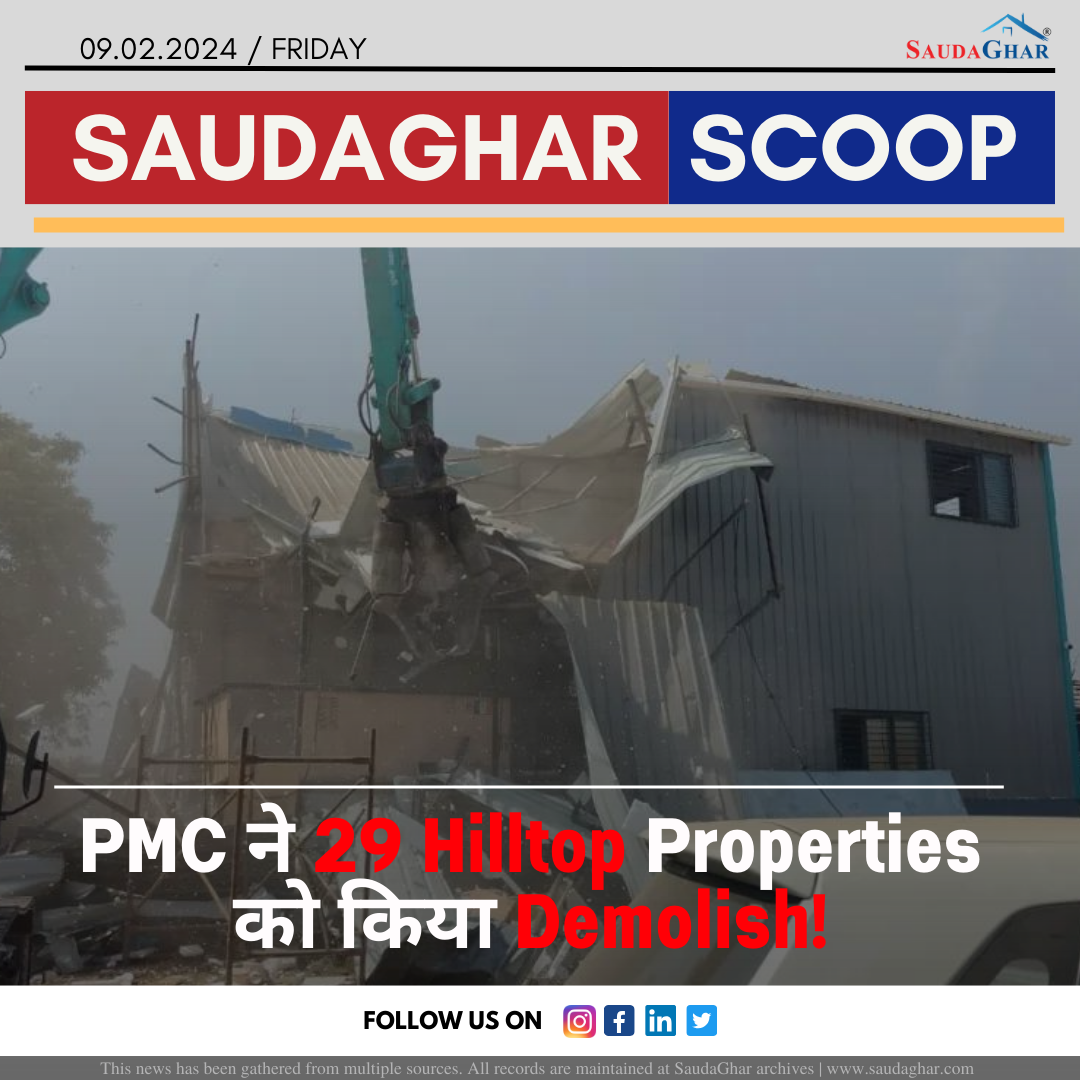
PMC demolishes 29 Hilltop Properties
09 Feb 2024



















































PMC under scrutiny for repeated budget inflation
03 Apr 2024




Pune Battle Against Rising Garbage-Related Fires
08 Apr 2024






IMD Warns Dry Conditions Challenge 125 Districts
19 Apr 2024







Residents Sweat Through Frequent Power Outages
28 Apr 2024











































BSI to Open New Botanical Garden in Mundhwa
27 Aug 2024






















































































KCB 326-Acre Merger with PMC Awaits Approval
25 Dec 2024






























PMRDA Unveils ₹67 Crore Plan to Boost Tourism
15 Feb 2025









































































































Land Acquisition for PMRDA Ring Road Speeds Up
20 Jul 2025






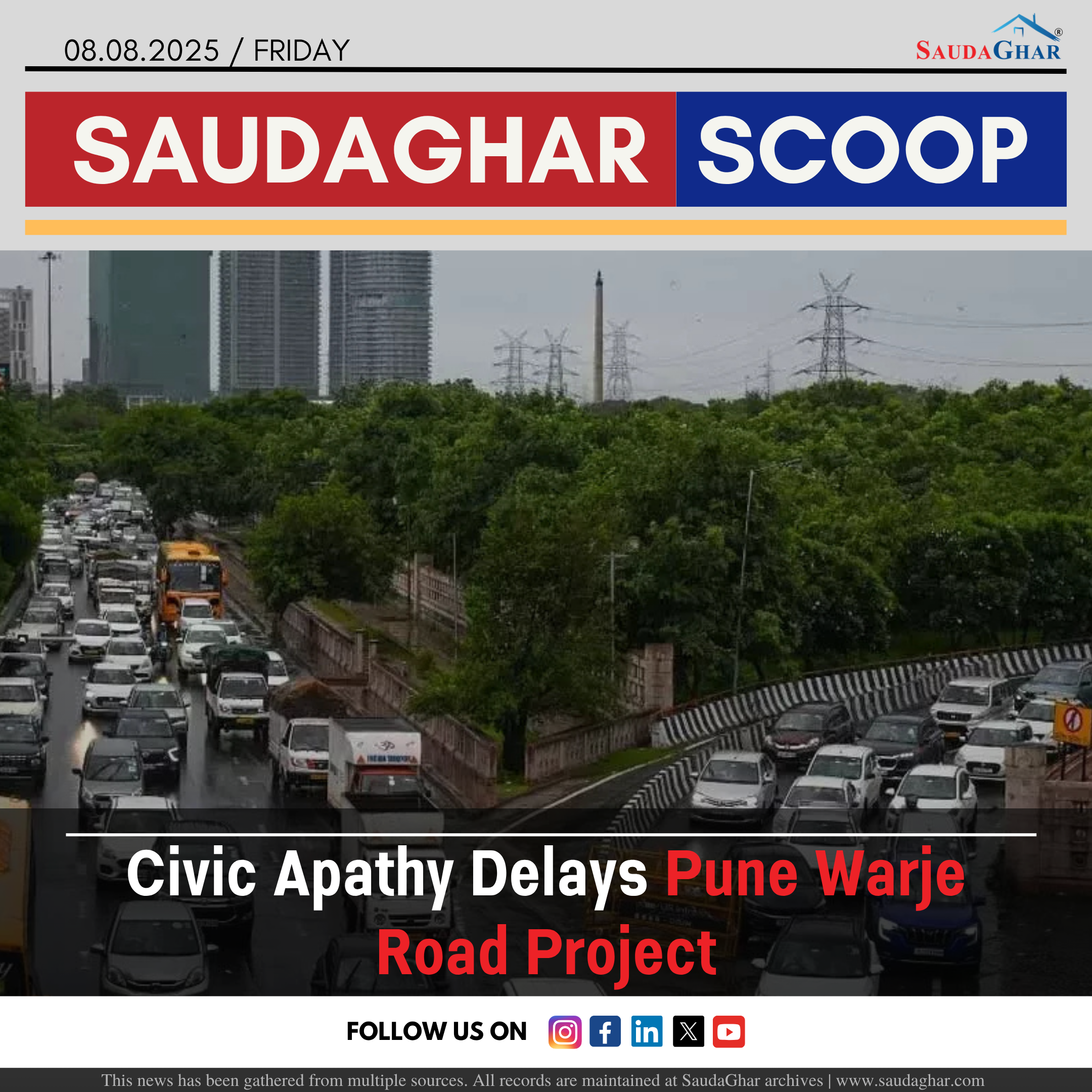
Civic Apathy Delays Pune Warje Road Project
08 Aug 2025







































































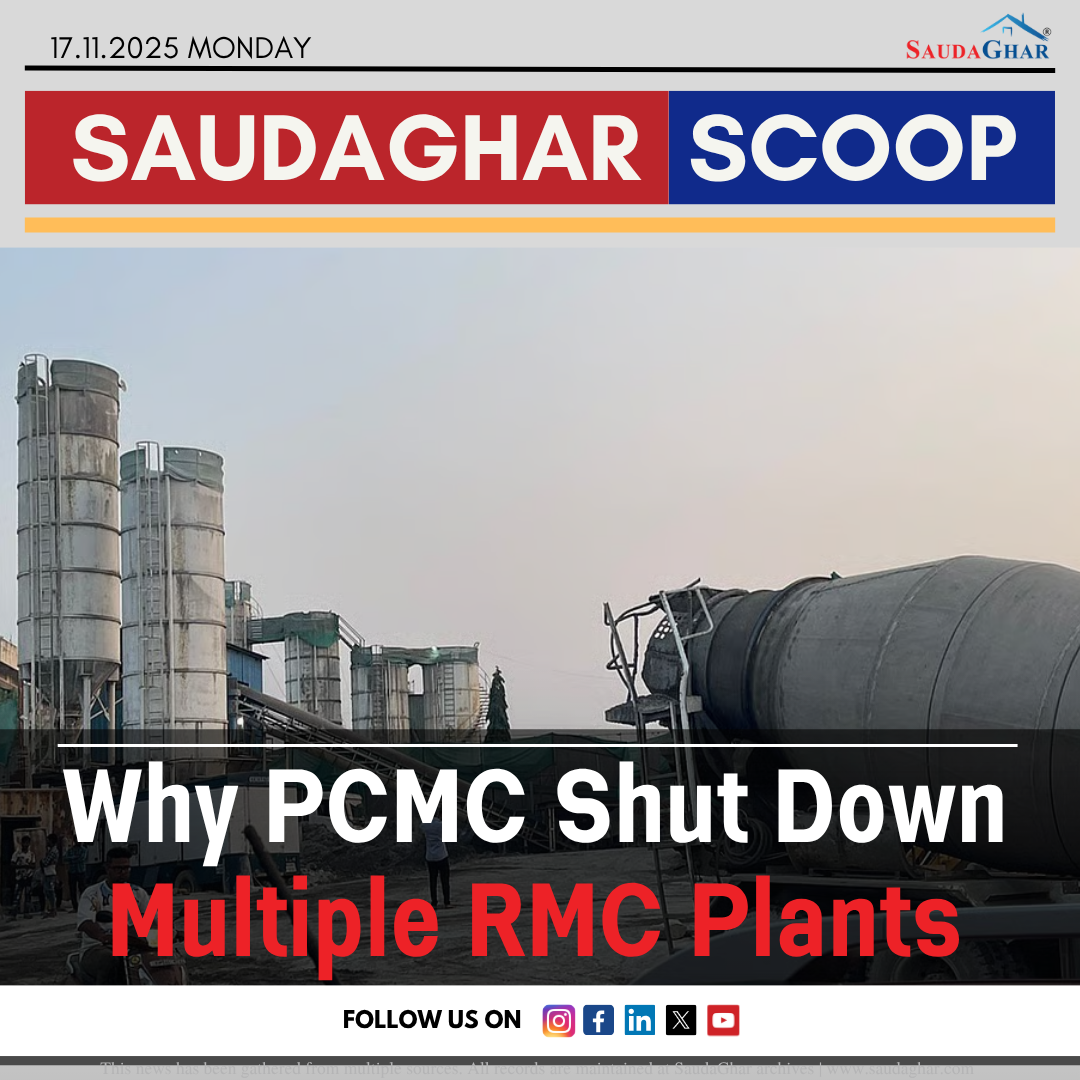
Why PCMC Shut Down Multiple RMC Plants.
17 Nov 2025
New Repairs Same Old Pothole Problems in Pune.
18 Nov 2025




































Yerawada Katraj Tunnel A New Way to Cross Pune
07 Jan 2026

What 2025 Tells Us About Pune Real Estate Demand
09 Jan 2026