
PMRDA Clears Residential Development on Agricultural Land in Pune Fringe Areas, 15% Premium Applicable
PMRDA has cleared the way for residential development on agricultural land in designated fringe areas around Pune and Pimpri Chinchwad municipal corporations, seven municipal councils and two nagar panchayats under its jurisdiction with immediate effect following a circular issued by the PMRDA Metropolitan Commissioner. Under UDCPR-2020 provisions, residential use is permitted on agricultural land within two kilometres of municipal corporation limits, one kilometre from municipal council limits and 500 metres from nagar panchayat limits, subject to payment of a 15 percent premium on Annual Statement of Rates and fulfilment of road connectivity and other planning requirements. The new procedure specifies that PMRDA will consider roads shown in the approved Regional Plan, roads from cancelled draft Development Plans, existing roads on the ground and roads proposed with landowner consent while processing development permissions. Internal roads proposed as part of a development must be connected to adjoining plots or the existing road network with Lonavala Municipal Council excluded from the circular's scope.
PMRDA Metropolitan Commissioner said the decision is aimed at addressing rapidly increasing development pressure in fringe areas adjoining Pune's urban limits and ensuring that growth happens in a planned and coordinated manner rather than through unauthorised and unplanned construction. The authority said the procedure will also help develop a coordinated road network in these areas. For thousands of landowners in Pune's expanding fringe belt who have been sitting on agricultural land with uncertain development prospects, the PMRDA circular provides the regulatory clarity needed to pursue legitimate residential development. However urban planning experts and residents of already-stressed fringe areas will be watching closely to ensure the new permissions actually lead to planned coordinated growth rather than accelerating the unregulated sprawl that has already overwhelmed infrastructure in many of Pune's rapidly growing outskirts.
Similar News























































































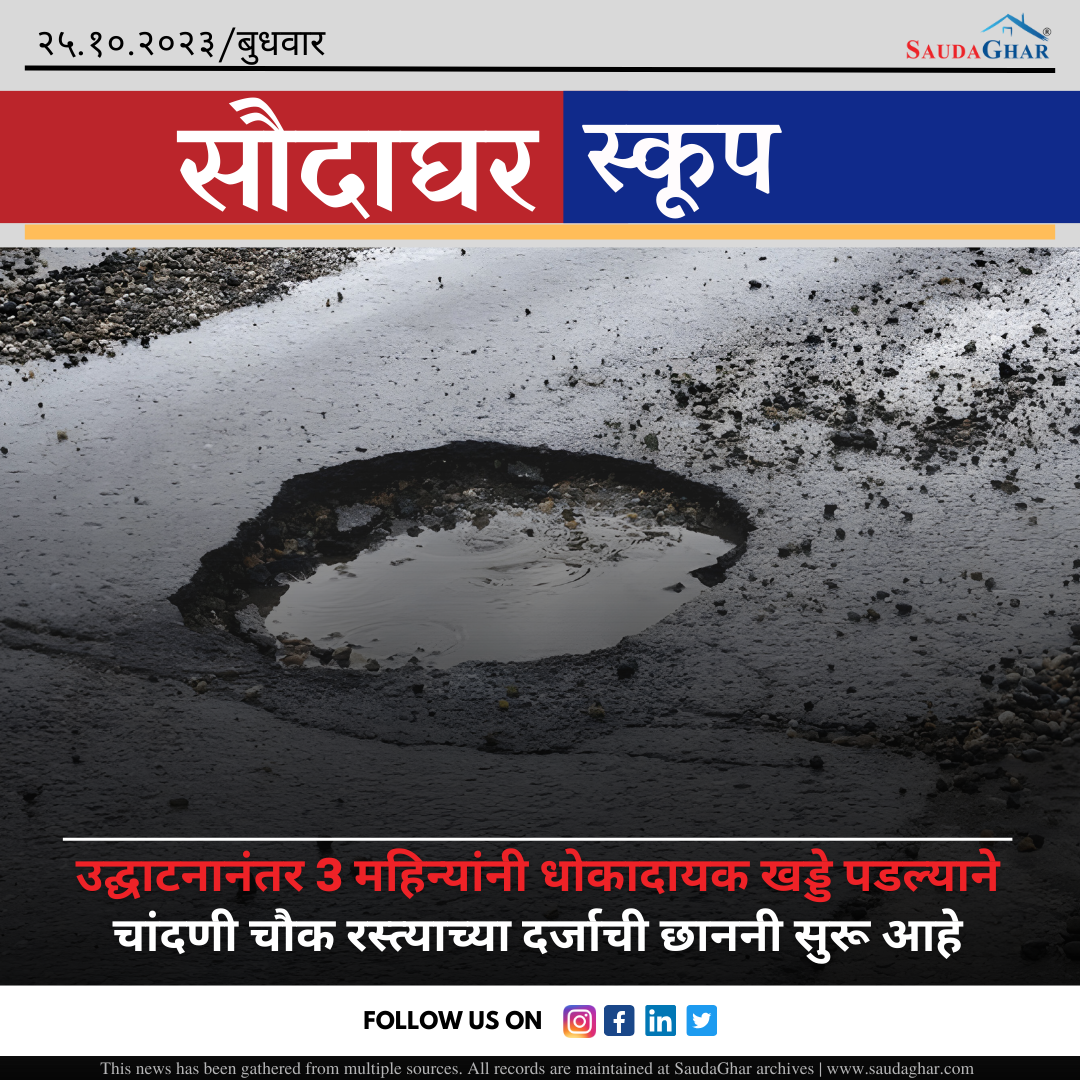
Monsoon Deluge Exposes PMC Road Repair Failures
28 Sep 2023




































Amnesty Scheme to Reduce Stamp Duty Deficit
02 Dec 2023



Historic Bhide Wada Set for Redevelopment by PMC
06 Dec 2023





PMC Approved Bus Bay on Nagar Road
12 Dec 2023

























PMC Phased Approach to Repair 40 Aging Bridges
08 Jan 2024





















Long Weekend से Pune-Satara Highway पर लगा लंबा!
27 Jan 2024
















आखिर कब Open होगा Pune Airport का New Terminal?
06 Feb 2024

Pune Areas to Experience Water Shortage Tomorrow
07 Feb 2024



PMC demolishes 29 Hilltop Properties
09 Feb 2024


















































PMC under scrutiny for repeated budget inflation
03 Apr 2024




Pune Battle Against Rising Garbage-Related Fires
08 Apr 2024






IMD Warns Dry Conditions Challenge 125 Districts
19 Apr 2024







Residents Sweat Through Frequent Power Outages
28 Apr 2024












































BSI to Open New Botanical Garden in Mundhwa
27 Aug 2024





















































































KCB 326-Acre Merger with PMC Awaits Approval
25 Dec 2024






























PMRDA Unveils ₹67 Crore Plan to Boost Tourism
15 Feb 2025































































































Land Acquisition for PMRDA Ring Road Speeds Up
20 Jul 2025





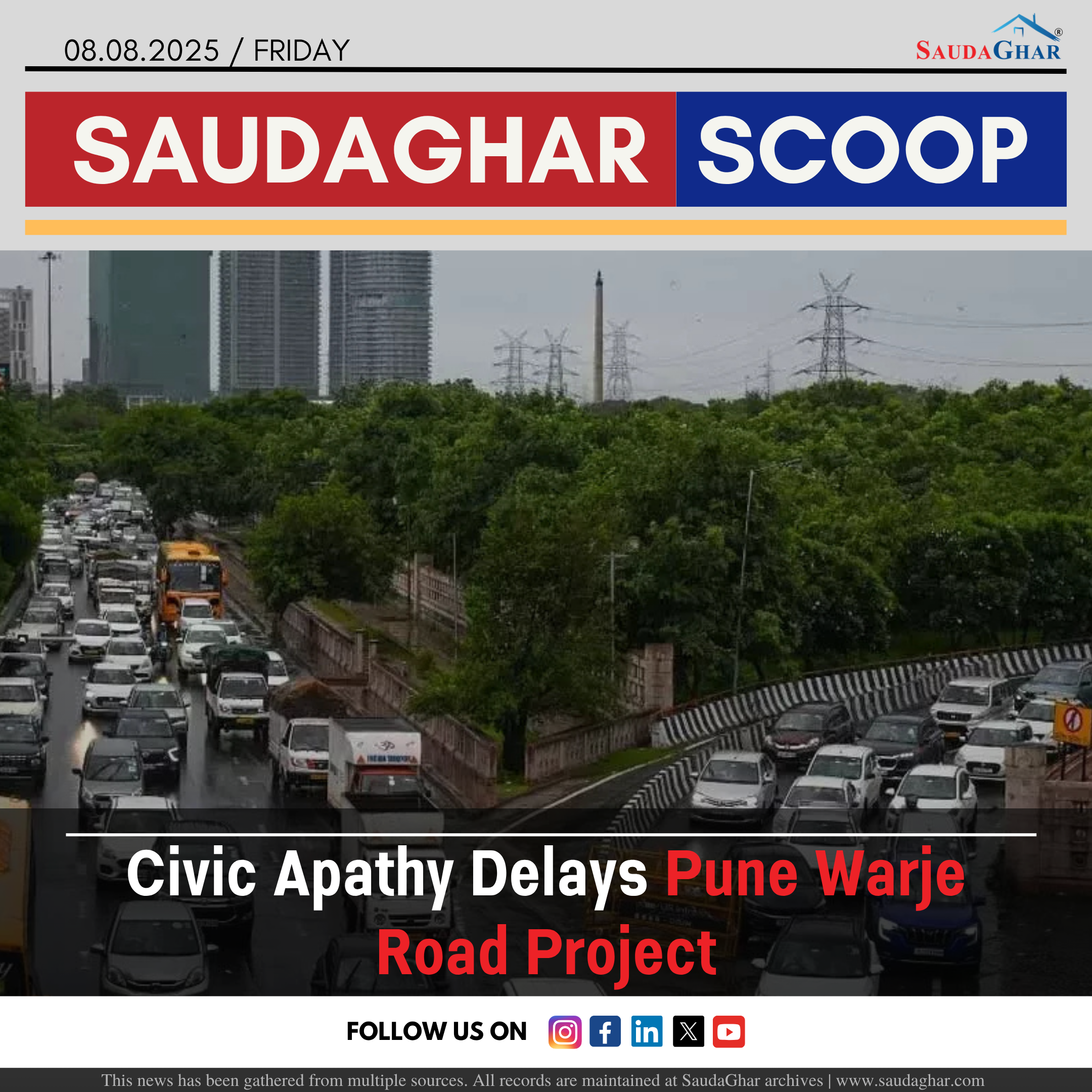
Civic Apathy Delays Pune Warje Road Project
08 Aug 2025


































































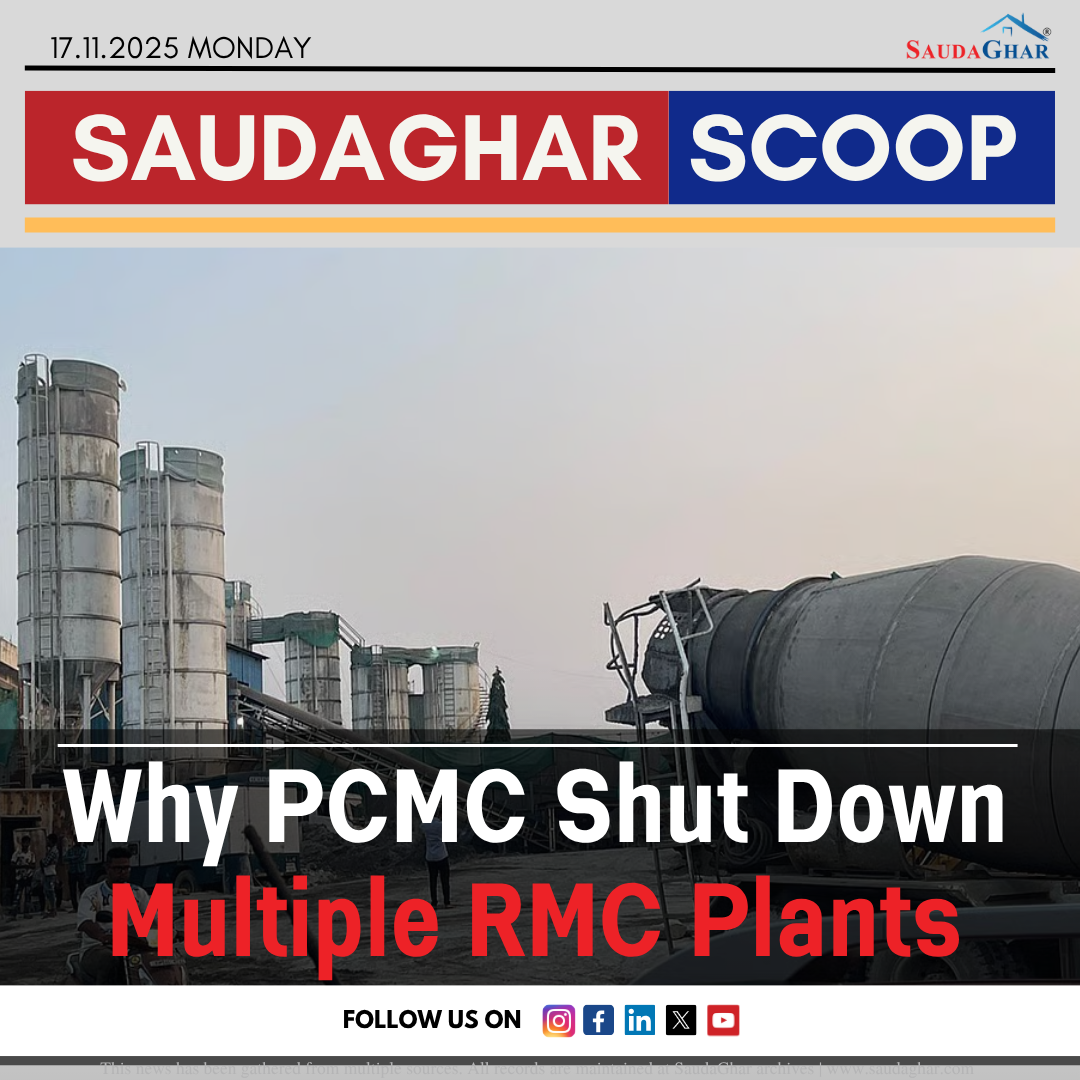
Why PCMC Shut Down Multiple RMC Plants.
17 Nov 2025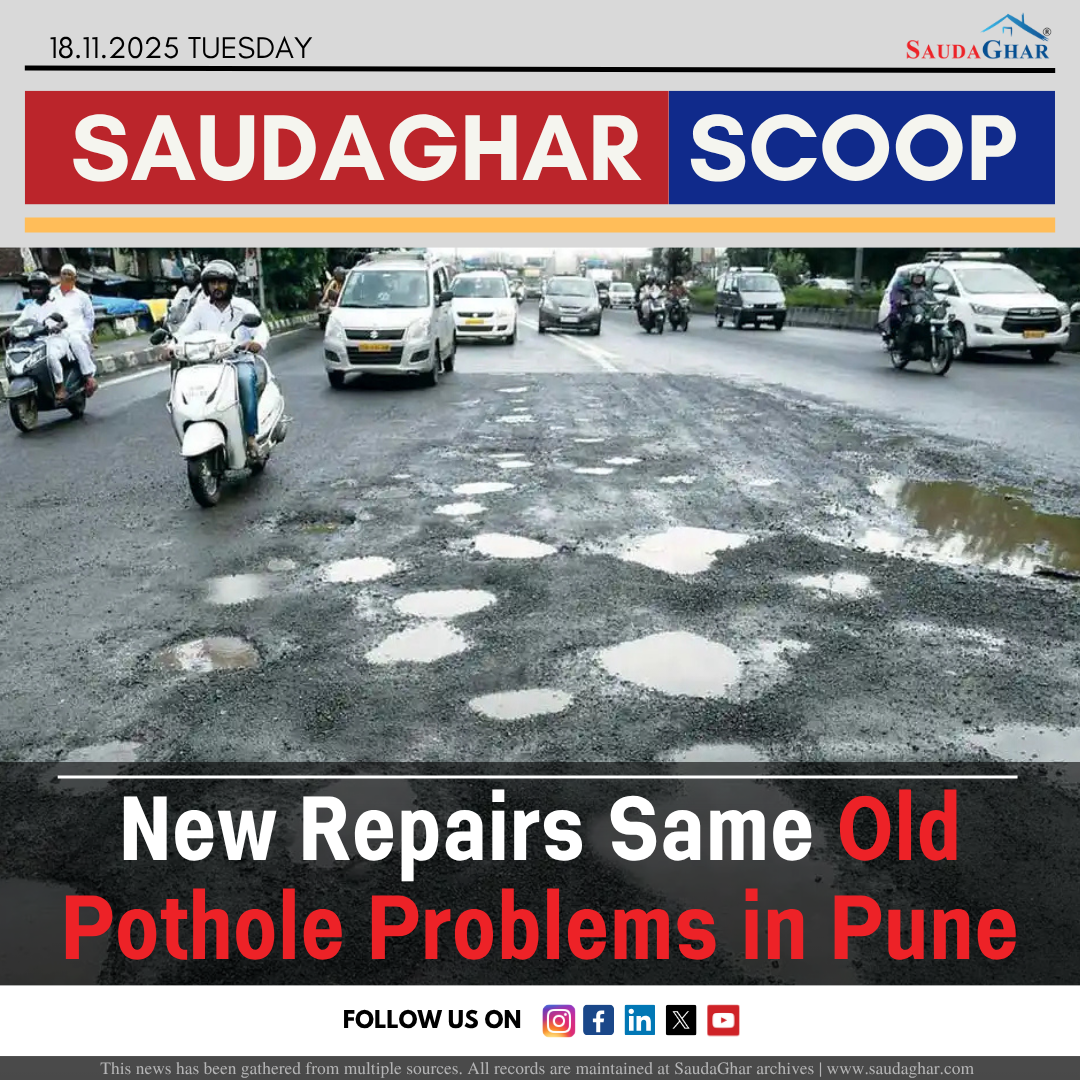
New Repairs Same Old Pothole Problems in Pune.
18 Nov 2025

































Yerawada Katraj Tunnel A New Way to Cross Pune
07 Jan 2026

What 2025 Tells Us About Pune Real Estate Demand
09 Jan 2026




























































































































Latest News